A small crack in siding rarely stays small for long. In Ohio, one hard freeze, a summer storm, or a stretch of wind-driven rain can turn a cosmetic issue into a moisture problem behind the wall. That is why homeowners who know the top signs siding failure is starting usually have more repair options and fewer unpleasant surprises.
Vinyl siding is built to handle a lot, but it is not indestructible. Age, installation mistakes, storm impact, and repeated temperature swings all wear on the exterior over time. Some warning signs are easy to spot from the driveway. Others show up inside the house first, in the form of drafts, stains, or a room that never seems to stay comfortable.
Top signs siding failure homeowners should not ignore
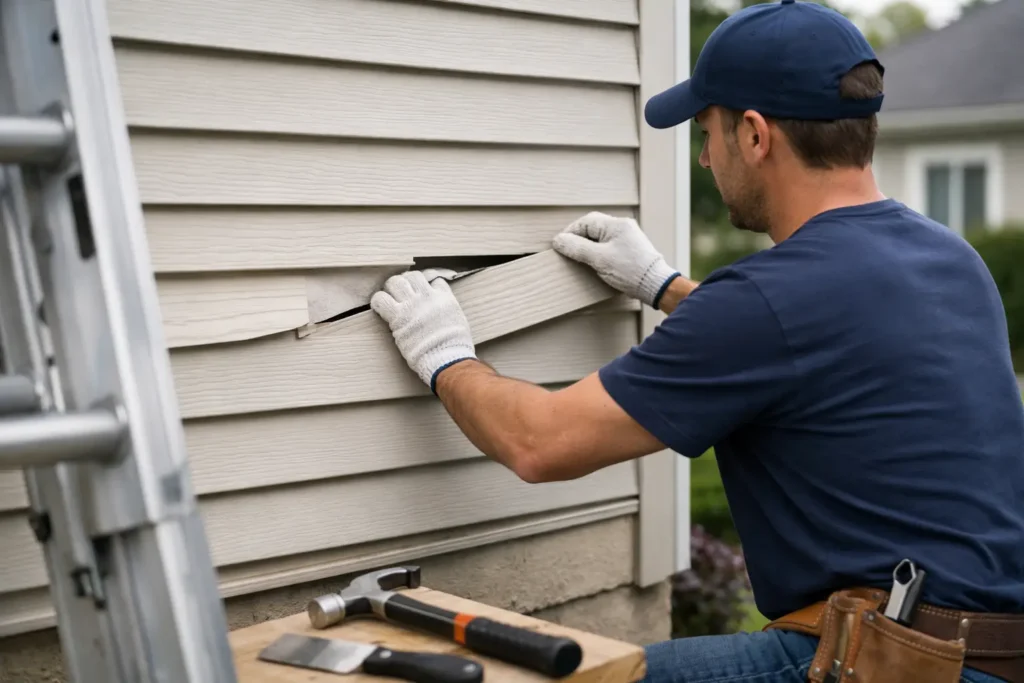
The clearest sign is visible panel damage. If you see cracks, chips, holes, or broken edges, the siding is no longer doing its full job. Even a narrow opening can let in water, especially around seams and corners. After hail or wind events, damage may look minor at first, but brittle sections tend to worsen fast.
Warping and buckling are another strong signal. Vinyl siding should hang straight with a little room to expand and contract. When panels look wavy, bowed, or pushed out of alignment, something is off. Sometimes the cause is heat exposure from reflected sunlight or a grill placed too close to the wall. In other cases, poor installation or trapped moisture behind the panels is the real issue.
Loose siding matters too. A panel that rattles in the wind, pulls away from the house, or leaves gaps between courses is vulnerable to more damage during the next storm. It also increases the chance that water and pests find a way behind the exterior.
Fading can be more than an appearance issue. Some color change is normal with age, especially on elevations that get full sun. But when siding looks chalky, uneven, or severely washed out, it may be nearing the end of its useful life. Heavy fading often goes hand in hand with material breakdown and reduced weather resistance.
When siding problems show up inside the house
Not every sign of failure starts outdoors. If your paint or wallpaper is peeling on an exterior wall, moisture may be getting in behind the siding. The same goes for unexplained staining, musty smells, or damp spots near windows and corners.
Higher energy bills can also point to siding trouble, particularly if they rise along with drafts or uneven indoor temperatures. Siding itself is not the only part of the building envelope, of course. Windows, insulation, and air sealing all affect efficiency. But when damaged or poorly secured siding lets outside air move too freely around the wall assembly, comfort usually suffers.
If one room is always colder in January or hotter in July, it is worth looking at the exterior in that area. In places like Lima and Findlay, where winter wind and summer humidity both put pressure on the house, small openings can have an outsized effect.
Moisture is the biggest concern
The most serious siding failures are usually moisture-related. Once water gets behind the panels, it can affect sheathing, framing, insulation, and even indoor air quality. Vinyl siding is designed to shed water, not hold it back after it has already gotten behind the system. That is why flashing, trim, house wrap, and proper installation details matter as much as the panels themselves.
One red flag is mold or mildew that keeps returning on a specific wall section. Surface dirt is common and usually harmless. But persistent growth, especially near seams or lower wall areas, can mean water is not draining as it should.
Another warning sign is soft material beneath the siding. Homeowners sometimes notice this when pressing gently near a damaged area or while working around a window. The wall should not feel spongy. If it does, there may already be rot in the substrate.
This is where timing matters. A few compromised panels may be a repair. Widespread moisture damage behind multiple elevations often points toward replacement. The right answer depends on how far the problem has spread and whether the existing siding can still protect the home reliably after targeted fixes.
Storm damage does not always look dramatic
After strong winds or hail, many people expect to see pieces missing from the wall. Sometimes that happens. More often, the damage is subtle – a hairline crack, a loosened lock, a dent near an edge, or a panel that now sits just slightly crooked.
Those small changes matter because Ohio weather rarely gives exteriors a long break. A panel weakened in one storm may fail completely in the next one. If your home has recently been through high winds, hail, or flying debris, a closer look at the siding makes sense even if the house looks mostly fine from the street.
Pay special attention to gables, corners, and the sides of the home that take the strongest weather exposure. These areas usually show wear first.
Age and installation quality both matter
Older siding does not automatically need replacement. Many homes still have sections that perform well after years of service. But age changes the equation because vinyl becomes more brittle over time, and older products may not perform like newer materials.
Installation quality is just as important. Siding nailed too tightly can buckle. Gaps around trim can invite water. Poorly integrated flashing near windows and doors often creates hidden moisture issues that take years to show themselves. That is why two homes built around the same time can age very differently.
If the home has had several patch repairs over the years, look at the bigger pattern. Repeated repairs in different areas may mean the exterior system is becoming less dependable as a whole. On the other hand, if damage is isolated to one impact area and the surrounding sections are still sound, a focused repair may be the smarter move.
Top signs siding failure is getting worse fast
Some issues call for quicker action than others. If siding is actively pulling away from the house, if water is entering around openings, or if you see signs of rot, the problem has moved beyond routine wear. The same is true when multiple panels are cracked across more than one side of the home.
Listen to what the house is telling you. More outside noise indoors, new drafts, and recurring moisture stains are usually signs that the exterior envelope is not performing the way it should. Waiting through another freeze-thaw cycle can make the final repair scope much larger.
This does not mean every flaw is an emergency. A little fading or one isolated panel issue may not justify a full project. But when several symptoms show up together – visible damage, moisture clues, and comfort problems – that combination usually points to real siding failure rather than simple aging.
What homeowners can check from the ground
You do not need to climb a ladder to spot many of the main warning signs. Walk around the home and look for uneven lines, gaps, loose corners, and panels that no longer sit flat. Check around windows, doors, and utility penetrations where water problems often begin. Look for staining below joints or trim pieces.
Inside, notice any musty odor, peeling paint on exterior-facing walls, or rooms that feel drafty. Compare the sunny side of the house to the shaded side. Sometimes deterioration shows up much faster where heat and UV exposure are strongest.
A simple visual check is useful, but it has limits. Moisture behind siding can stay hidden until damage is advanced. That is one reason experienced local contractors tend to focus not just on the panel surface, but on how the entire wall system is handling water, airflow, and Ohio temperature swings.
For homeowners in older neighborhoods and newer subdivisions alike, the goal is not to panic over every blemish. It is to catch the difference between ordinary wear and a wall that is starting to lose its protection. Siding failure usually gives warning before it gets severe. The helpful move is paying attention early, while the solutions are still simpler and the house is easier to protect.