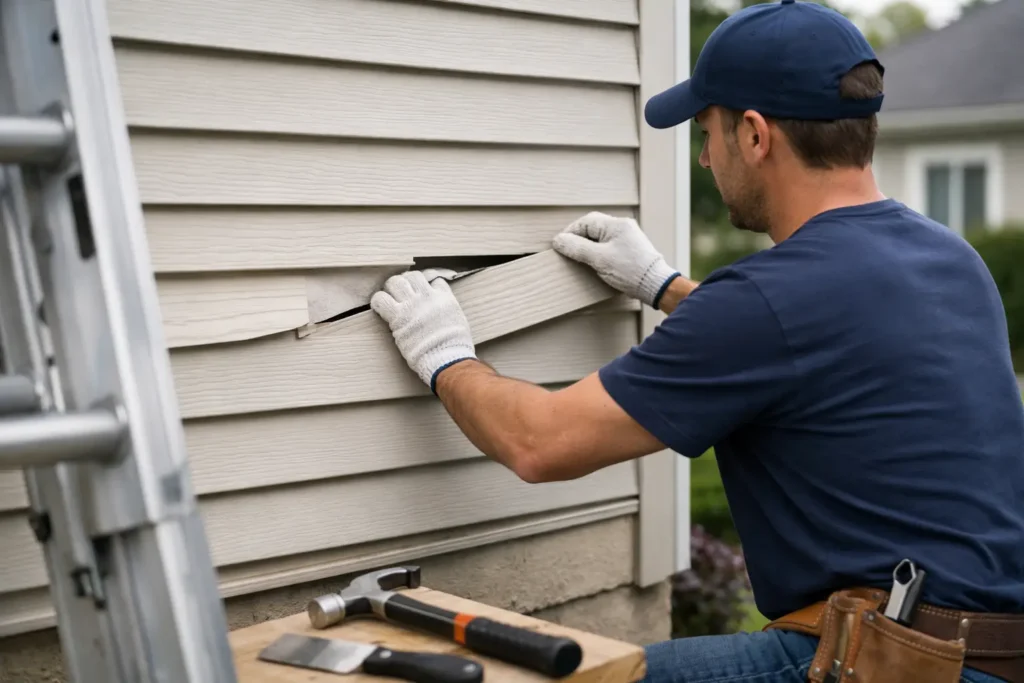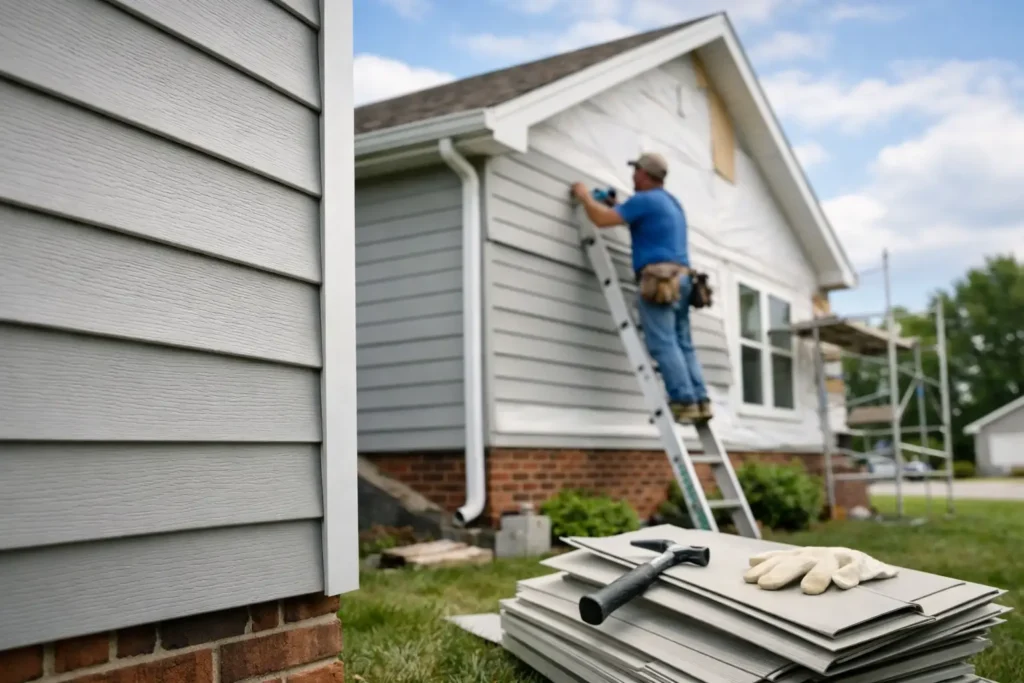
A wall of vinyl siding can look perfectly straight in the morning and suddenly seem wavy by late afternoon. If you are wondering what causes vinyl siding buckling, the short answer is usually heat, installation error, or trapped moisture – but the real reason often comes down to how those factors work together on your home.
In Ohio, that matters more than many homeowners realize. Siding expands in summer heat, contracts when temperatures drop, and has to keep doing its job through wind, rain, snow, and humid stretches. When panels do not have room to move, or when water gets behind the system, buckling is often one of the first visible warning signs.
What causes vinyl siding buckling most often?
Vinyl siding is designed to move. That is not a flaw. It is part of how the material handles temperature swings. The problem starts when the siding cannot expand and contract the way it should.
The most common cause is tight fastening. Each panel should be nailed so it can slide slightly from side to side. If nails are driven too tightly, the panel gets pinned in place. Once the sun heats that section of wall, the vinyl tries to expand but has nowhere to go. The result is rippling, bowing, or a section that looks pushed outward.
Improper spacing at the ends of panels is another frequent issue. Installers need to leave enough clearance where siding meets trim, corners, and channels. Without that gap, the panel can jam against the trim during hot weather and buckle in the middle.
Heat exposure can also intensify the problem. Direct summer sun is one factor, but reflected heat is another. New windows, low-E glass, patio doors, grills placed too close to the house, and even nearby reflective surfaces can concentrate heat on one area of siding. In those cases, the issue may look like poor installation, but excessive localized heat is doing part of the damage.
Poor installation is a bigger factor than many homeowners think
When siding buckles, homeowners often assume the material itself failed. In practice, the material is often reacting exactly the way vinyl reacts under pressure. The weak point is usually the installation.
Vinyl siding should be hung, not clamped down. Nails belong in the center of the nailing slots, and they should not be driven flush so tightly that the panel cannot move. Panels also need to be level and properly overlapped. If one section is forced into alignment instead of installed square, stress can build across the wall.
This is one reason buckling sometimes shows up months after a project is finished. The siding may look fine during cool weather, then begin to warp during the first hot stretch. A house in Lima or Findlay might go from mild spring temperatures to intense sun and humidity quickly enough to expose those installation mistakes fast.
Repairs can create similar trouble if the replacement panel is not matched and fitted correctly. A patch job that looks acceptable from the street may still restrict movement or lock panels together too tightly. That is especially true when only one damaged section is replaced on an older wall.
Moisture behind the siding can cause movement too
Not every buckled wall is a heat-expansion problem. Moisture intrusion can also cause vinyl siding to distort, especially if the wall underneath starts to shift or swell.
Vinyl itself does not absorb water the way wood does, but the material underneath it can. If water gets behind the siding because of failed flashing, damaged house wrap, roof runoff, window leaks, or poorly sealed penetrations, the sheathing may begin to deteriorate. As that surface changes shape, the siding on top of it can appear loose, bulged, or uneven.
In some cases, what looks like buckling is actually a sign of a substrate problem. Rotting wood sheathing, soft spots around windows, or moisture-damaged wall framing can push panels out of plane. The visible symptom is in the siding, but the root cause is deeper in the wall system.
That is why a proper inspection matters. If the fix only addresses the visible wave in the vinyl and ignores the moisture source, the problem usually returns.
Heat distortion vs. true buckling
Homeowners often use the word buckling for any warped-looking siding, but there is a useful distinction. True buckling usually comes from restricted expansion. Heat distortion can look similar but may involve partial melting, sagging, or surface warping caused by concentrated heat.
The difference matters because the repair path is not always the same. If siding near a window is visibly warped in a narrow area, reflected solar heat may be the issue. If long horizontal runs across an entire wall look rippled, installation errors are more likely. If the wall bulges unevenly near trim or openings after heavy rain, moisture may be involved.
Sometimes more than one issue is present. A wall with marginal installation may perform acceptably for years until reflected heat or trapped moisture pushes it past its limit. That is why siding problems are rarely one-size-fits-all.
Signs the buckling problem may be getting worse
A small wave in one panel does not always mean the whole exterior system is failing, but it should not be ignored. Buckling can be an early signal that other parts of the siding assembly are under stress.
Watch for panels that seem to pop in and out with temperature changes, loose sections near corners, trim that looks crowded, and areas around windows or doors that no longer sit flat. You may also notice increased rattling in the wind, visible gaps after cool evenings, or sections that seem more distorted on sunny days.
If there is moisture involved, additional clues may include staining, mildew, soft wall areas, or interior signs like damp drywall near openings. On homes with older siding, fading and brittleness can make buckling more likely because the material becomes less forgiving over time.
Can buckled vinyl siding be repaired?
Sometimes yes, but it depends on what caused it.
If the problem is limited to a small area and the underlying wall is sound, a targeted repair may solve it. That could mean removing and reinstalling panels with proper fastening and clearance, replacing heat-damaged sections, or correcting one problem area around a window or corner.
If the buckling is widespread, the repair becomes less simple. Multiple walls with movement issues can point to installation defects throughout the project. And if moisture has damaged the sheathing, the siding cannot just be snapped back into place and called fixed. The wet materials behind it need to be addressed first.
Color matching is also a real consideration with repairs. Older vinyl fades over time, so even the right profile may not blend perfectly with existing panels. In some cases, a focused repair is practical. In others, a broader replacement makes more sense for appearance and long-term performance.
How to prevent vinyl siding buckling
The best prevention is proper installation from the beginning. Vinyl siding needs room to move, and every part of the wall assembly has to support that movement.
That means correct nail placement, proper end gaps, level courses, and attention to manufacturer specifications. It also means managing water with sound flashing, weather barriers, and trim details around windows, doors, and rooflines. Good siding work is not just about the panels you can see. It depends on how the entire exterior system handles weather.
For homes in Northwest Ohio, ventilation, drainage, and seasonal expansion all matter. A wall that faces strong afternoon sun may need especially careful attention. So might areas near decks, grills, or newer energy-efficient windows that can reflect more heat than older glass.
Routine checks help too. After storms or high-wind events, it is smart to look for loosened panels, damaged trim, and spots where water may be getting in. Catching a small issue early is much easier than dealing with hidden wall damage later.
What causes vinyl siding buckling on newer homes?
It can feel especially frustrating when buckling shows up on a newer home or recently completed siding project. Many homeowners assume newer automatically means properly installed, but that is not always the case.
Fast-paced installation schedules, crews that do not specialize in vinyl, and missed details around trim or flashing can all create problems that take time to show themselves. New construction can also involve settling or moisture conditions that affect the wall assembly after the siding is already in place.
If the buckling appears soon after installation, the cause is often tied to workmanship rather than age. Vinyl siding should not buckle simply because it is new.
Buckling is not just a cosmetic nuisance. It is the house telling you that something is restricting movement, adding heat stress, or allowing moisture where it should not be. The sooner that message is taken seriously, the easier it is to protect the wall behind the siding and keep the exterior performing the way it should.