A siding project can feel simple right up until one question slows everything down: do you need a permit for this in Lima? For many homeowners, that is the part that creates the most uncertainty. The good news is that lima ohio siding permit requirements are usually manageable when you know what kind of work is being done, how extensive it is, and whether the project changes more than just the outer finish.
For most homeowners, siding work falls into a gray area that depends on scope. Small repairs may be treated differently than full replacement. Storm damage restoration may involve insurance timelines, but the local building department still cares about how the work is completed. If trim, sheathing, moisture protection, or structural elements are affected, permit questions become more important.
What Lima Ohio siding permit requirements usually cover
In practical terms, permit requirements are about more than paperwork. The city wants exterior work done safely, in a way that protects the house from water intrusion, hidden damage, and code issues that can create bigger problems later. Siding may look cosmetic from the street, but once old panels come off, installers may find rot, failed flashing, or wall damage that changes the project.
That is why siding permit decisions often come down to the difference between ordinary maintenance and more substantial exterior alteration. Replacing a cracked section after a windstorm is not always viewed the same way as removing all existing cladding and installing a complete new weather-resistant exterior system.
Homeowners should also remember that permit expectations can change over time. Local interpretation, project scope, and the condition of the home all matter. A house in an older neighborhood with previous layers of exterior material or signs of moisture damage may raise different issues than a newer home getting straightforward panel replacement.
When a siding project may need a permit
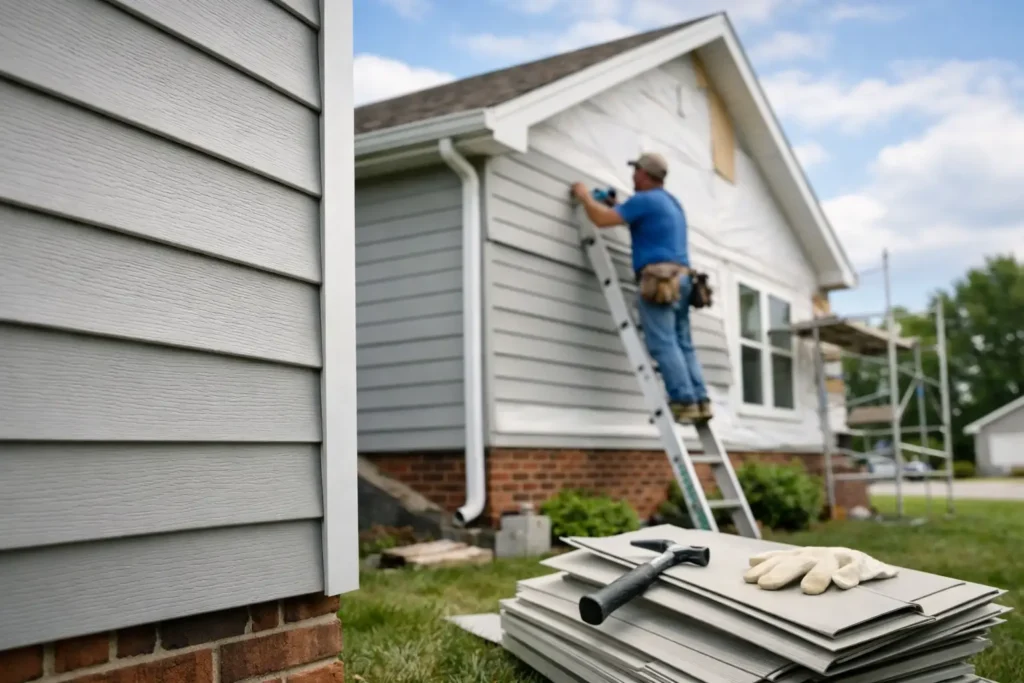
A full siding replacement is the situation most likely to trigger closer review. When all exterior siding is removed and replaced, the work can expose underlying issues that relate to code compliance, water management, and wall condition. If the job includes replacing damaged sheathing, updating house wrap, or modifying exterior details around windows and doors, permit oversight becomes more likely.
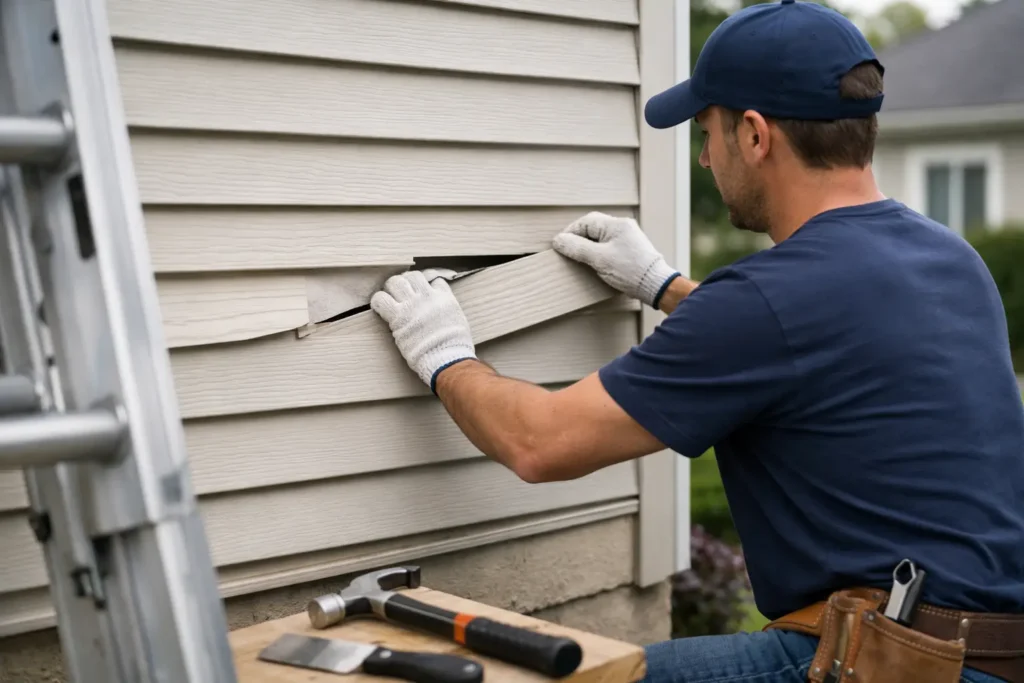
Repairs can be different. If the work is limited to a few damaged panels, a section of fascia, or minor storm-related restoration, a permit may not always be required. But there is no smart shortcut here. A repair stops being minor when it spreads across multiple elevations of the home or involves concealed deterioration behind the siding.
Projects involving insulated vinyl siding can also deserve a closer look, not because the material itself is unusual, but because installation details matter. Changes in wall thickness, trim integration, and moisture control have to be handled correctly. In some cases, what starts as a simple upgrade becomes a broader exterior improvement project.
The details that can change the answer
The phrase siding replacement sounds straightforward, but local permit review often depends on what is happening beneath the surface. If an installer removes old siding and finds rotten wood around windows, insect damage, or compromised sheathing, the project may shift beyond basic finish work. Once repairs involve the wall assembly itself, code oversight becomes more relevant.
The home type matters too. Single-family homes usually follow one path, while duplexes, mixed-use buildings, or rental properties can involve different standards or additional review. Historic considerations may also affect some homes, especially if exterior changes alter the appearance in a noticeable way.
Storm damage creates another common point of confusion. Insurance approval does not replace local building requirements. A homeowner may have a valid claim for damaged siding, but the city still may require permits or inspections depending on the extent of the work. That is especially true if wind and rain exposed underlying materials or created water entry concerns.
Why permits matter even for exterior work
Most homeowners are not trying to cut corners. They just assume siding is a surface-level project. The problem is that exterior cladding is one of the home’s main defense systems against Ohio weather. In Lima, freeze-thaw cycles, heavy rain, strong wind, and summer humidity all put pressure on that system.
If siding is installed incorrectly, the damage usually does not show up right away. Moisture can get trapped behind panels. Flashing around windows and doors can fail quietly. Sheathing can soften before anyone notices stains or drafts inside the house. Permit review and inspections, when required, help catch those issues before they become expensive repairs.
There is also the resale side of things. If a future buyer asks whether major exterior work was done properly, permit records can help support that the project followed local rules. That is not the main reason to pull permits, but it does matter when homeowners want to protect long-term value.
How the permit process typically works
For most siding projects, the first step is determining the actual scope of work, not guessing based on the word replacement. A clear description matters. Is the project limited to vinyl panel replacement, or does it include house wrap, trim replacement, sheathing repairs, soffit work, or changes around openings? The more accurate the scope, the easier it is to understand whether permit review applies.
If a permit is needed, the application usually requires basic project information, property details, and a description of the work. In some cases, supporting documents may be requested if the project includes underlying repairs or related exterior components. After approval, inspections may be scheduled at points that make sense for the work being done.
For homeowners, the key is not memorizing forms. It is making sure the project is defined honestly from the start. A vague description can create delays later if conditions on the home tell a different story once demolition begins.
Common mistakes homeowners make with Lima Ohio siding permit requirements
One mistake is assuming that if neighbors replaced siding without a permit, the same rule applies to every house. Local enforcement can vary by project, timing, and scope. What happened on one property is not reliable guidance for another.
Another is treating storm restoration as automatically exempt. Damage does not eliminate code requirements. If repairs are extensive, or if hidden damage is uncovered, the city may still expect formal review.
A third mistake is focusing only on the visible siding panels. Trim boards, flashing, soffits, and wall repairs can change the nature of the job. Once those pieces are part of the plan, the permit question deserves a fresh look.
There is also a timing issue. Some homeowners wait until materials are delivered or old siding has already been removed before checking permit requirements. That can create unnecessary delays, especially during busy exterior construction seasons when scheduling already matters.
What homeowners should ask before work starts
Before any siding project begins, homeowners should get clear on a few points. Is this a repair or a full replacement? Will any damaged wood or sheathing be replaced? Are soffit, fascia, or trim part of the same job? Has storm damage affected only the siding, or also the wall system underneath?
Those questions help separate straightforward projects from ones that may need more documentation. They also help avoid surprises after removal begins. A contractor with local experience should be able to explain where the permit line may be, especially on homes with older exterior layers or visible moisture concerns.
That local piece matters in Allen County because weather exposure varies from one property to the next. Homes with open wind exposure, older window details, or long-term maintenance issues can reveal more hidden damage once the siding is off. A project that looked simple from the driveway may not stay simple for long.
The practical takeaway for Lima homeowners
The safest approach is to treat permit questions as part of project planning, not as an afterthought. Many siding jobs are straightforward, but not all of them are purely cosmetic. Full replacement, storm-related restoration, and any work involving sheathing, water barriers, or structural repairs deserve closer attention.
That does not mean every project becomes complicated. It means good planning protects the schedule, the home, and the finished result. Ohio Vinyl Siding Guru works in this space every day, and homeowners benefit most when siding work is approached as a weather protection system, not just an exterior refresh.
If you are sorting through a siding project in Lima, the smart move is to define the full scope before the first panel comes off. That one step tends to prevent most of the headaches people worry about in the first place.