A west-facing wall in July and a wind-whipped corner of the house in January tell you a lot about your siding. If your exterior looks fine from the street but rooms still feel drafty, noisy, or harder to heat and cool, insulated vinyl siding Ohio homeowners install often solves more than a cosmetic problem.
Standard vinyl siding does a solid job of protecting a home from rain and daily wear. Insulated vinyl siding adds another layer of performance. Behind the panel, a contoured foam backing helps the siding sit more firmly against the home. That changes how it handles temperature swings, minor impacts, and even the way the wall looks over time.
For homeowners in Lima, Findlay, and nearby communities, that matters. Ohio weather does not stay mild for long. Freeze-thaw cycles, wind-driven rain, summer humidity, and long heating seasons all put stress on exterior materials. The right siding system needs to do more than look clean on day one.
What insulated vinyl siding changes
The biggest difference is support. Traditional hollow-back vinyl has open space between the panel and the wall. Insulated vinyl siding includes rigid foam laminated to the back of each panel, which gives the profile more structure and helps it hold its shape.
That added support can reduce the waviness sometimes seen on older installations, especially on broad walls that get strong afternoon sun. It can also improve impact resistance. No siding is damage-proof, but backed panels generally stand up better to everyday bumps, hail, and debris than lighter hollow panels.
There is also an energy component, although this is where expectations should stay realistic. Insulated siding is not a substitute for proper wall insulation, air sealing, or attic upgrades. What it can do is help reduce thermal bridging through the wall assembly and make the exterior envelope more consistent. In practical terms, some homeowners notice fewer cold spots near exterior walls and a more stable indoor feel during Ohio’s temperature swings.
Why insulated vinyl siding Ohio weather favors
Ohio is hard on siding because the problem is never just one season. Winter brings freezing temperatures and wind. Spring adds rain and sudden storms. Summer delivers UV exposure, humidity, and heat buildup on sun-facing elevations. Fall tends to be milder, but it is also when small cracks, loose sections, and moisture-related issues start showing up after months of weather stress.
Insulated vinyl siding works well here because it balances durability with low maintenance. It does not need scraping or repainting like wood, and it will not react the same way metal can when dents or oxidation become an issue. The foam backing also helps the panel resist flexing, which can be useful in areas exposed to strong gusts.
In neighborhoods with a mix of older homes and newer builds, another advantage is visual consistency. Homes with uneven sheathing or minor wall imperfections can benefit from the added structure of insulated siding, since it tends to create a flatter, more finished appearance than thinner products. That is not a cure for major substrate problems, but it can make a noticeable difference when the wall is otherwise sound.
Where homeowners notice the benefits first
Most people do not stand in the yard admiring the backing on a siding panel. They notice the results. The first benefit is often comfort. Rooms that used to feel chilly near exterior walls may feel less draft-prone, especially when the siding replacement also addresses house wrap, trim details, and problem areas around penetrations.
The second is noise control. Insulated siding will not turn your home into a sound studio, but the foam backing can help dampen some outside noise. If your house sits near a busier road, a school route, or an active neighborhood street, that extra density can make the indoors feel a little quieter.
The third is appearance. Backed panels typically look more substantial on the wall. They can help reduce rattling and create cleaner lines across longer runs. For homeowners replacing faded aluminum siding or worn wood clapboards, that more solid look is part of the appeal.
It depends on the house
Insulated siding is not automatically the right answer for every home. A ranch with decent wall insulation but failing exterior panels may be a strong candidate. A historic home with hidden water damage behind old siding needs a careful inspection first. If the sheathing, trim, or framing has moisture issues, those problems should be corrected before any new siding goes up.
Home age matters too. In parts of Allen and Hancock County, many homes were built before modern air sealing practices became standard. On those houses, insulated siding can be one helpful part of an overall exterior upgrade, but it works best when paired with proper flashing, weather barrier installation, and attention to soffits, corners, windows, and doors.
That is why product choice alone is never the whole story. Installation details determine a lot of the long-term performance. Even a premium panel can underperform if starter strips are off, trim channels are sloppy, or water management around openings is ignored.
The installation details that matter most
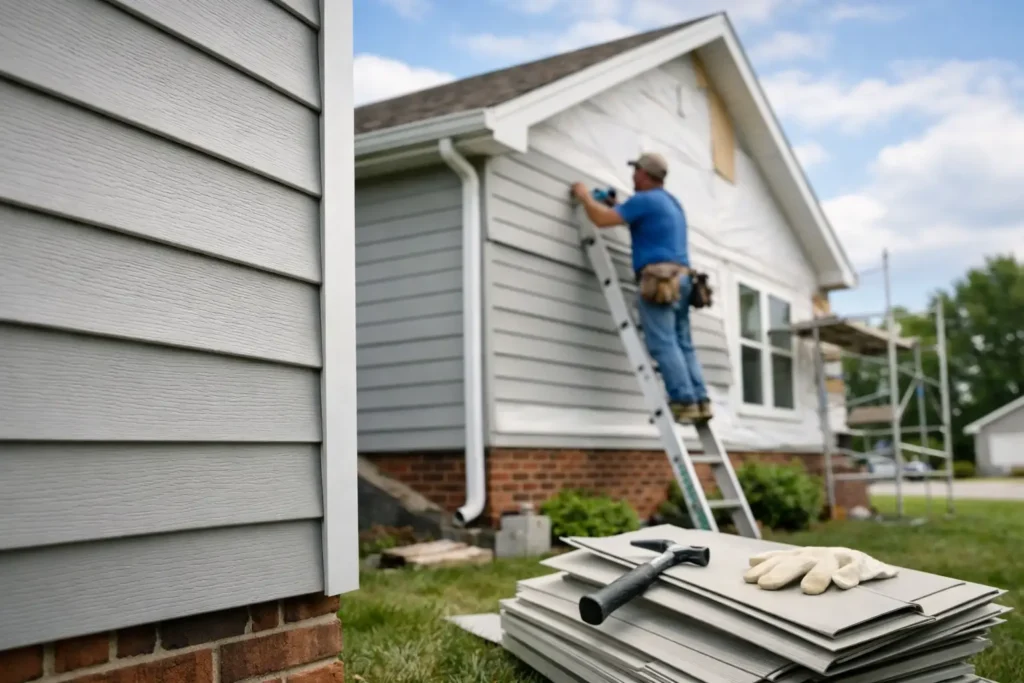
A good insulated siding job starts before the first panel is hung. The wall surface needs to be evaluated for rot, soft spots, uneven areas, and signs of trapped moisture. If old siding comes off and exposes damage, the right move is to fix the problem, not cover it.
Then comes the part homeowners do not always see but absolutely benefit from later: layout, flashing, and movement allowance. Vinyl siding expands and contracts with temperature changes, and Ohio gives it plenty of both. Panels need to be installed so they can move as designed. If they are pinned too tightly, buckling and distortion become more likely.
Flashing around windows, doors, and rooflines is just as important. Moisture intrusion usually does not start in the middle of a panel. It starts where materials meet, where trim was cut poorly, or where water was allowed to sit and work its way inward. A careful installation protects the wall system, not just the visible surface.
In some municipalities, permit and code requirements also come into play, especially when repairs uncover deeper exterior issues. Local knowledge helps keep the project aligned with what the home needs and what the area requires.
Color, style, and resale value
Insulated vinyl siding is often chosen for performance, but appearance still drives the decision. Most homeowners want an exterior that looks current without feeling trendy for only a year or two. In Ohio neighborhoods with a mix of brick, stone accents, and traditional two-story homes, classic siding colors usually age better than extreme choices.
That does not mean every house should be beige or gray. It means the best result usually comes from balancing personal taste with roof color, shutters, trim, and the style of the home itself. The cleaner and more cohesive the exterior looks, the more likely it is to support long-term curb appeal.
From a resale standpoint, buyers tend to respond well to materials that look well-kept and low-maintenance. They may not ask specifically whether the siding is insulated, but they do notice when a house feels solid, updated, and protected from the weather.
Common concerns homeowners have
One question comes up often: does insulated vinyl siding make a dramatic difference in utility bills? Sometimes it helps, but the size of that change depends on the house. If your attic is under-insulated or your windows are failing, siding alone will not carry the whole load. The benefit is usually part of a broader improvement in envelope performance.
Another concern is whether it looks too bulky. Quality products are designed to keep a clean profile, and when the right style is matched to the home, the finished look is sharp rather than heavy.
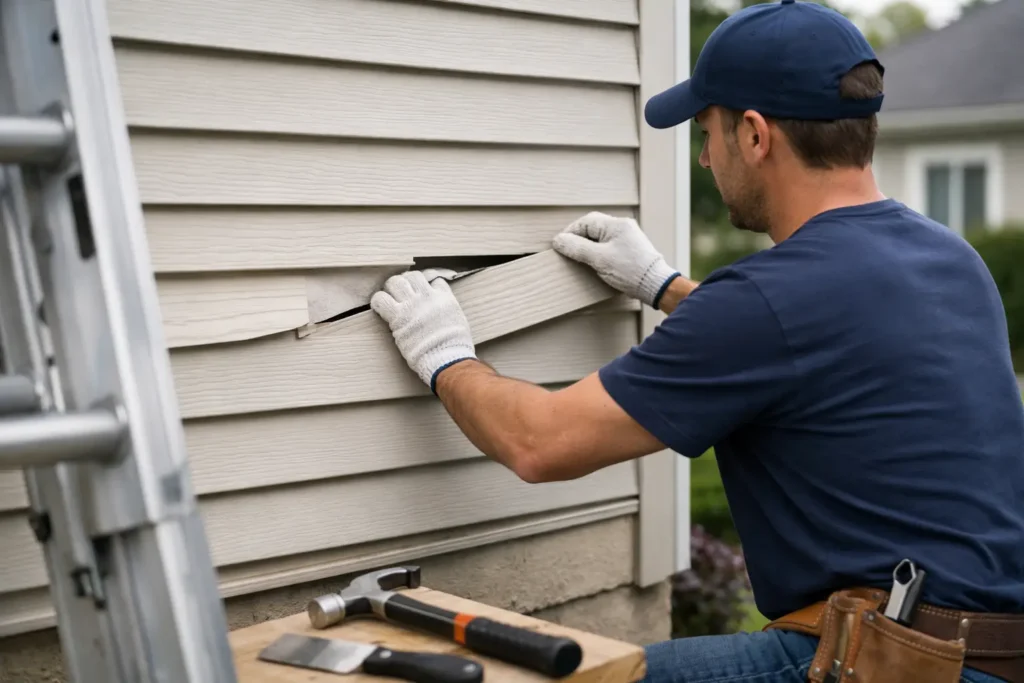
Homeowners also wonder about repairability. In most cases, individual sections can still be repaired or replaced if damage occurs. The key is matching the profile and color closely, which becomes easier when the original installation was done with future maintenance in mind.
When insulated siding makes the most sense
This upgrade tends to make the most sense when the current siding is worn out, storm-damaged, faded, loose, or no longer giving the home a weather-tight feel. It is also a smart option when homeowners plan to stay put and want an exterior that asks less of them year after year.
For many Ohio homes, the decision comes down to priorities. If you want the lowest possible upfront material choice, insulated siding may not be your first pick. If you want a stronger panel, a more finished look, and an exterior system that better fits the way Ohio weather actually behaves, it becomes a much stronger candidate.
A house should feel protected when the wind picks up, the temperature drops, or a summer storm rolls through. The best siding choices are the ones that keep doing their job long after the installation day is over.