If your house gets drafty near the walls every winter, or the upstairs stays hotter than it should in July, the siding may be part of the problem. Energy efficient siding for older homes is not just about making the exterior look newer. It can help reduce heat loss, limit moisture problems, and make an aging home feel more consistent room to room.
That matters even more in older Ohio homes. Many were built before modern wall insulation standards, and some still have gaps around trim, worn sheathing, or siding that no longer seals out wind and water the way it should. A better siding system will not fix every efficiency issue on its own, but it can play a major role when the house envelope has started to weaken.
Why older homes lose energy at the walls
Older homes often have character, solid framing, and details that newer builds try to copy. But they also tend to have more air leakage. Over time, wood can shift, caulk fails, trim pulls away slightly, and older siding materials can crack, cup, or leave openings at seams. Even small gaps add up when winter winds move across the exterior.
In many cases, the issue is not just the siding panel you can see. It is the whole assembly behind it. If the house wrap is missing, the sheathing has taken on moisture, or there is little insulation in the wall cavity, energy loss can be significant. That is why replacing old siding should be viewed as part of a larger exterior performance upgrade, not just a cosmetic project.
What makes siding energy efficient
When homeowners hear the term energy efficient siding, they often think it means thicker panels. Thickness can help, but real performance comes from how the system works together.
The first factor is air control. Good siding installation helps reduce uncontrolled airflow by tightening up the exterior and protecting vulnerable joints around windows, doors, corners, and roof lines. The second factor is moisture management. Wet materials do not perform as well, and trapped moisture can lead to mold, rot, or insulation that no longer does its job. The third factor is added thermal resistance. Some siding products, especially insulated vinyl siding, include rigid foam backing that helps slow heat transfer through the wall.
That does not mean every home needs the most heavily insulated panel available. Some homes benefit more from addressing underlying wall issues first. If the sheathing is damaged or the trim details are failing, those problems should be corrected before any new siding goes on.
Best siding options for older homes
For many homeowners, vinyl is the most practical siding choice because it balances efficiency, durability, and maintenance. But not all vinyl siding performs the same way.
Standard vinyl siding
Standard vinyl siding can still improve efficiency if the old siding is worn out and the new system is properly installed with weather-resistant barriers and sealed trim details. For homes with modest energy concerns, this may be enough to noticeably reduce drafts and improve wall protection.
Its biggest advantage is reliability without heavy upkeep. It does not need painting, it resists many common weather issues, and it works well for homeowners replacing aging aluminum or deteriorated wood siding.
Insulated vinyl siding
Insulated vinyl siding is often the stronger option when energy savings and comfort are top priorities. The foam backing adds a layer of continuous insulation, which can help reduce thermal bridging and improve the feel of exterior walls inside the home.
This is especially useful in older homes where wall cavities are limited or unevenly insulated. It can also help the siding sit straighter over walls that are less than perfectly flat, which is common in houses that have settled over decades. In Northwest Ohio, where winter cold and summer humidity both matter, that added layer can support more stable indoor comfort.
Fiber cement and other alternatives
Some homeowners consider fiber cement or engineered wood because they like the look. These products can be solid exterior options, but they are not automatically better for energy performance. Much depends on the underlayment, insulation strategy, and installation details.
For older homes where low maintenance and weather resistance are key priorities, vinyl often makes the most sense. It gives homeowners a chance to improve efficiency without taking on the repainting and moisture concerns that come with some other materials.
Energy efficient siding for older homes in Ohio weather
Ohio weather is hard on exterior materials. Freeze-thaw cycles, wind-driven rain, humid summers, and sudden temperature swings all put pressure on siding systems. Older homes feel that pressure faster because they usually have more weak points at joints, trim, and transitions.
That is why material choice and installation quality matter so much. Energy efficient siding for older homes should not just have a good product brochure. It should be installed in a way that matches local conditions, including proper flashing, secure fastening, and room for seasonal expansion and contraction.
In communities around Lima, Findlay, and nearby townships, many homes also have older window and door openings that are not perfectly square anymore. A contractor who understands how to work with those conditions can help prevent the kind of gaps and water entry points that hurt both comfort and long-term performance.
What siding can and cannot fix
This is where homeowners need a straight answer. New siding can absolutely help with comfort and efficiency, but it is not a cure-all.
If your attic is underinsulated, your windows are failing, or your basement rim joists are leaking air, those issues will still affect utility use. Siding should be part of a broader effort to improve the home envelope. The good news is that wall-related problems are often a bigger contributor than homeowners realize, especially when existing siding is loose, cracked, or no longer protecting the structure underneath.
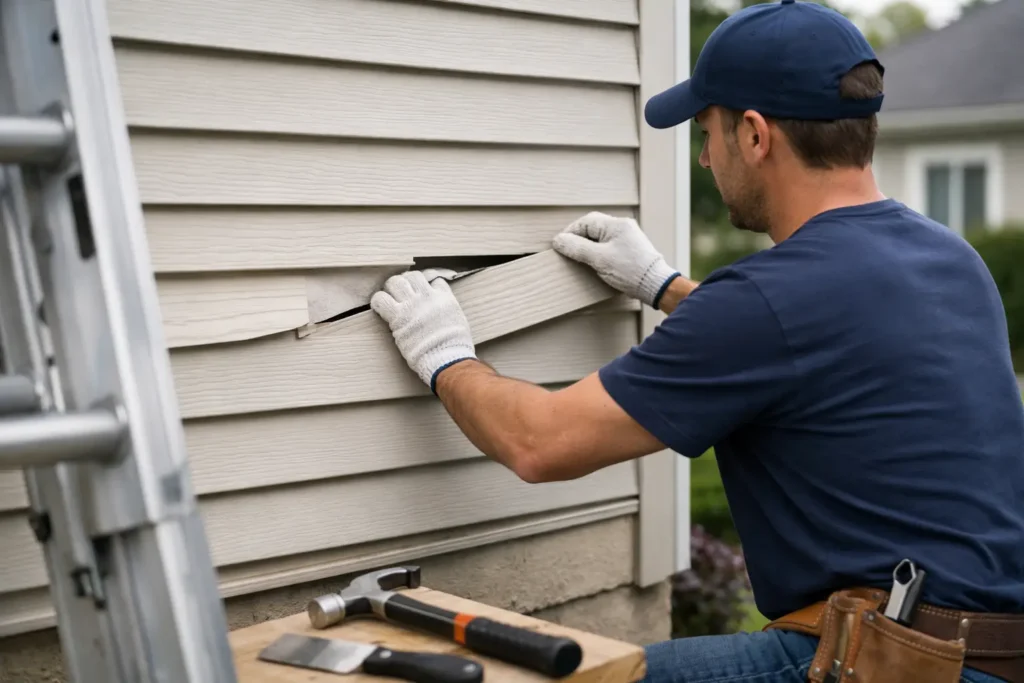
A good evaluation should look for signs such as warped panels, fading from age, soft spots beneath old siding, mildew near seams, and higher indoor humidity near exterior walls. Those clues often point to a siding system that is no longer doing its job.
Signs your older home may benefit from a siding upgrade
Some homes clearly need replacement because panels are broken or moisture is getting in. Other homes are less obvious. If your heating and cooling system seems to run constantly, some rooms feel colder near exterior walls, or paint and caulk around trim keep failing, the siding system may be contributing.
Another sign is recurring maintenance. Older wood siding that needs frequent scraping, patching, or repainting may be costing you comfort even before it causes visible damage. The same goes for aging aluminum siding that has loosened over time or has poor backing behind it.
When homeowners replace old siding with a better-insulated and better-sealed system, they often notice the comfort change before anything else. Rooms feel less drafty. Temperature swings soften. The house feels tighter in a good way.
Installation details matter more than most homeowners expect
A high-quality siding product installed poorly will not deliver the efficiency gains you expect. On older homes, prep work is where much of the value is created.
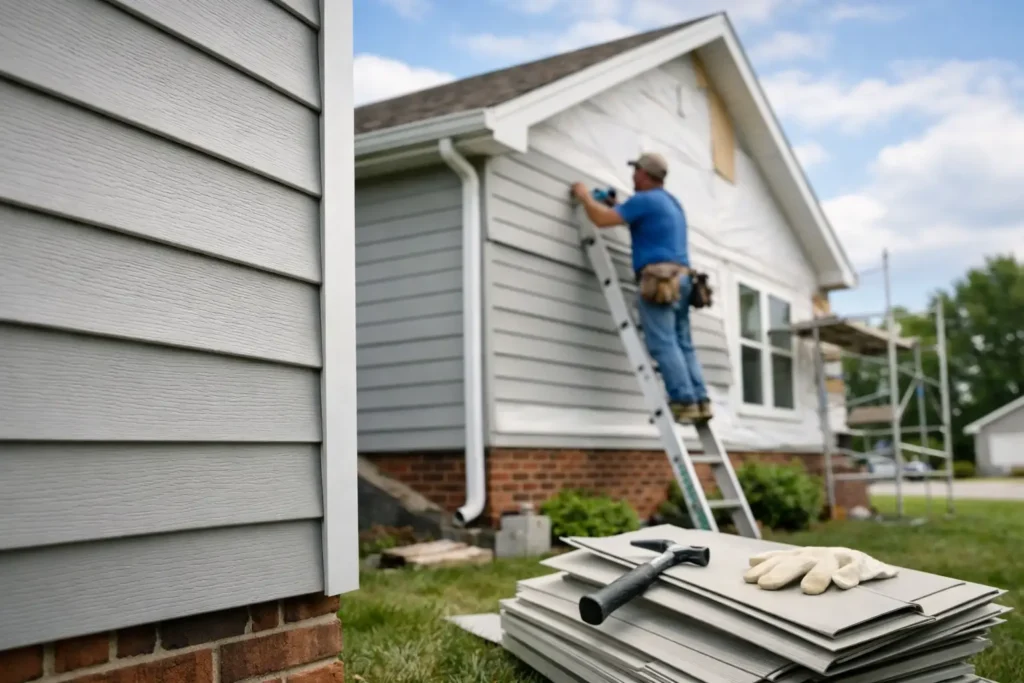
That includes checking for moisture damage, replacing compromised sheathing where needed, installing proper weather barriers, and making sure trim and flashing details are handled correctly. The goal is not simply to cover old problems. It is to create an exterior assembly that sheds water, limits air leakage, and protects the structure for the long term.
This is also where local code knowledge matters. In areas with older housing stock and mixed renovation history, permit requirements and existing wall conditions can vary more than homeowners think. A contractor who works regularly on older homes is more likely to spot issues before they turn into expensive repairs later.
Choosing the right look without losing performance
Older homes usually have architectural details worth preserving. The right siding should improve efficiency without making the home look stripped of its character.
That may mean selecting a profile and color that fits the age and style of the house, or using insulated vinyl in a way that keeps trim lines clean and proportionate. Good siding work should make the house look cared for, not overbuilt. Performance and curb appeal should support each other.
For homeowners who want lower maintenance, better comfort, and stronger protection against Ohio weather, siding is one of the few upgrades that changes both how the house performs and how it presents from the street. When it is done right, the result is not just a newer exterior. It is an older home that feels more solid through every season.