A siding choice in Ohio has to survive more than one season. It has to handle freeze-thaw cycles, summer humidity, wind-driven rain, heavy snow, and the occasional storm that turns one loose panel into a neighborhood problem. If you are trying to figure out the best siding for Ohio weather, the right answer usually comes down to how much maintenance you want, how your home is built, and how well the material stands up to moisture and temperature swings.
For most homeowners, vinyl siding is the strongest all-around fit. That does not mean every house should get the same product or profile. It means vinyl consistently checks the boxes that matter most in Ohio – weather resistance, low upkeep, solid energy performance when insulated, and easier repair after storm damage than many alternatives.
What Ohio weather does to siding
Ohio is hard on exterior materials because the stress is constant and varied. Winter can bring ice, snow buildup, and repeated freezing nights followed by milder afternoons. Those changes force siding to expand and contract, and weaker materials start showing gaps, warping, cracking, or paint failure sooner.
Spring and summer create a different set of problems. Long stretches of rain, high humidity, and heat can feed mold, mildew, and moisture intrusion if siding or trim is not installed correctly. Add strong winds and hail into the mix, and siding is no longer just about curb appeal. It becomes part of your home’s first defense against water damage and higher utility bills.
That is why homeowners in places like Lima, Findlay, and surrounding communities tend to do best with materials that can take repeated weather swings without demanding constant attention.
Best siding for Ohio weather: why vinyl leads
Vinyl siding stands out because it is built for practical performance. It does not absorb water the way wood can. It does not need regular scraping and repainting. It holds color well, and quality products are designed to move with temperature changes instead of fighting them.
For Ohio homes, that flexibility matters. Properly installed vinyl has room to expand and contract, which helps it handle hot July afternoons and subfreezing winter mornings. It also sheds water effectively when paired with correct house wrap, flashing, and trim details. The siding itself matters, but the full system matters just as much.
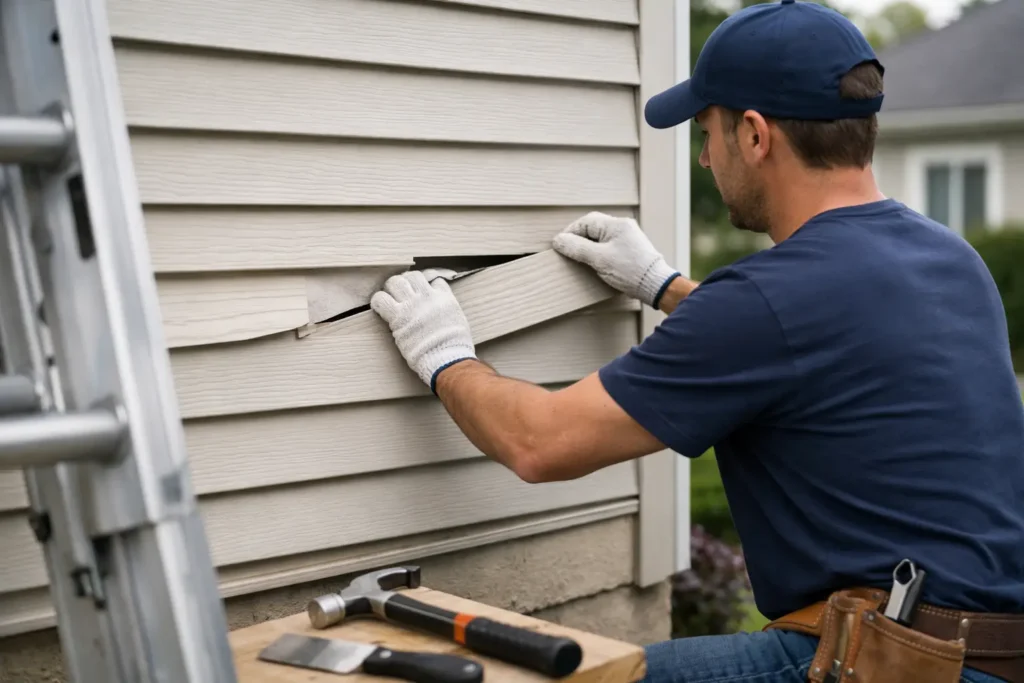
Another reason vinyl performs well here is repairability. If a section is damaged by wind or impact, individual panels can often be replaced without disturbing the entire exterior. For homeowners dealing with isolated storm damage, that is a real advantage.
Insulated vinyl siding adds another layer of value in this climate. The foam backing helps reduce thermal bridging and can make exterior walls feel less drafty. It will not solve every insulation problem in an older house, but it can improve comfort and support better energy performance.
How vinyl compares to other siding materials
Fiber cement
Fiber cement earns attention because it is durable, fire-resistant, and visually appealing. It can hold up well in rough weather, but it is heavier, more labor-intensive to install, and less forgiving if moisture management is poor. In Ohio, where wet conditions and freeze-thaw cycles are common, installation quality is critical.
It also typically needs painting or repainting over time. For homeowners who want a specific look and do not mind more upkeep, fiber cement can be a strong option. For homeowners who want lower maintenance and simpler long-term care, vinyl usually makes more sense.
Wood siding
Wood has natural character that some homeowners love, especially on older homes. The problem is that Ohio weather is not gentle with wood. Moisture can lead to swelling, rot, mildew, and peeling paint if maintenance slips even a little.
Wood can absolutely perform when it is cared for properly, but that is the trade-off. It asks for more time, more monitoring, and more refinishing. If your priority is dependable performance without a long maintenance list, wood is rarely the best siding for Ohio weather.
Engineered wood
Engineered wood is designed to offer the appearance of real wood with better resistance to impact and moisture. Some products perform well, but results depend heavily on product quality and installation details. It sits in a middle ground – more upkeep than vinyl, often less than traditional wood.
For some homes, it is a reasonable compromise. Still, in a climate where moisture resistance and low maintenance are top priorities, vinyl remains the safer bet for many households.
Aluminum and steel
Metal siding resists insects and does not absorb water, which helps in wet conditions. But aluminum can dent, and steel may be vulnerable to rust if coatings are compromised. Metal can also be noisier during heavy rain or hail and may not offer the same range of design flexibility homeowners want for neighborhood curb appeal.
For utility buildings or certain modern styles, metal has a place. For the average Ohio home, vinyl tends to deliver a better balance of appearance, performance, and ease of ownership.
What makes one vinyl siding product better than another
Not all vinyl siding is equal. Thicker panels generally hold up better against impact and visible waviness. Better-grade products also tend to have stronger color retention, more consistent locking systems, and improved resistance to wind.
Profile matters too. Some homeowners prefer the look of traditional horizontal lap siding, while others want vertical panels or shake-style accents. The best profile is not just about appearance. It should fit the architecture of the home and be installed with trim and ventilation details that help the whole exterior system work properly.
Insulated vinyl is worth a close look on homes that feel drafty or have older wall assemblies. It adds rigidity and can help the finished exterior look more even, especially on walls that are not perfectly flat.
Installation matters as much as material
Even the best siding can fail early if it is installed too tightly, flashed poorly, or paired with weak moisture control behind the panels. Ohio weather exposes shortcuts fast. Water gets behind trim. Ice works into gaps. Wind finds loose edges.
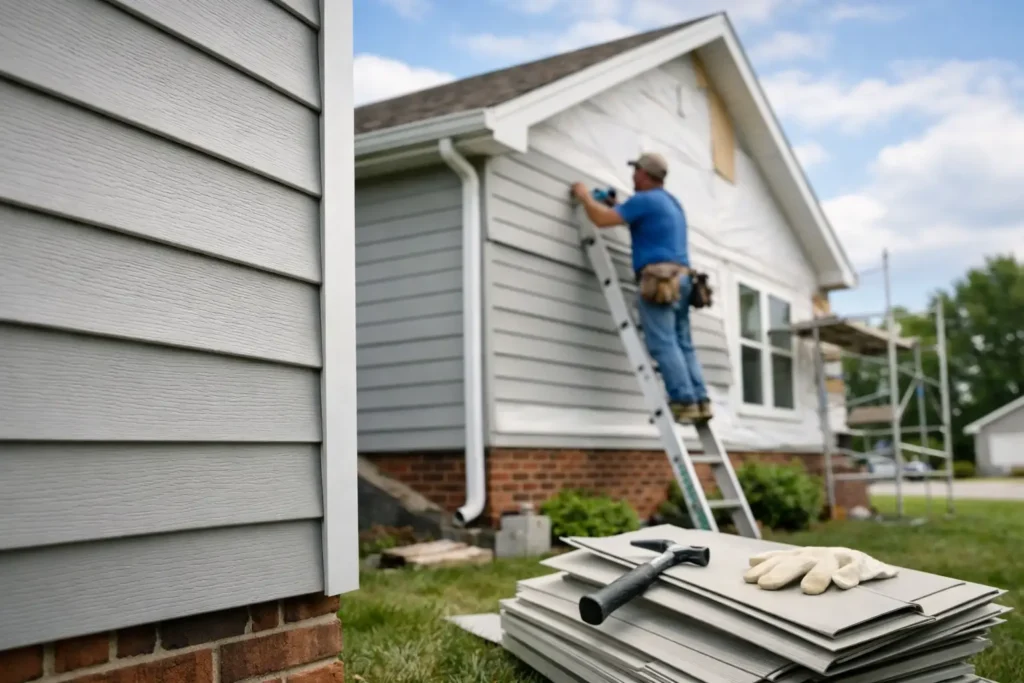
A proper installation leaves room for movement, uses the right fasteners, and pays close attention to soffits, corners, windows, doors, and wall penetrations. That is especially important on older homes where previous layers, uneven sheathing, or hidden moisture damage can affect the final result.
In areas with local permit requirements and code expectations, details matter beyond appearance. Good siding work is supposed to protect the house, not just cover it.
When another siding choice might make sense
Vinyl is the leading choice for most homeowners, but there are cases where another material may fit better. If you own a historic home and want to preserve a specific architectural look, wood or a wood-look product may be worth the added maintenance. If you strongly prefer a painted finish and are comfortable with repainting cycles, fiber cement may appeal to you.
There are also homes where the current exterior condition shapes the decision. If walls are uneven, if there is moisture damage underneath, or if matching an existing section is the goal, the best option may depend on what is already there and what condition the substrate is in.
That is why the best siding for Ohio weather is not only about the material on paper. It is about fit – for your house, your maintenance expectations, and your local weather exposure.
Signs your current siding is not keeping up
Some siding problems are obvious, like cracked panels after a storm. Others show up slowly. Rising indoor drafts, recurring moisture stains near exterior walls, loose panels, faded sections, swollen trim, and mold around seams can all point to a siding system that is no longer doing its job.
On older homes in Northwest Ohio, it is common to find that the visible siding issue is only part of the problem. Water may have been getting behind panels for years around windows, doors, or lower wall sections. When that happens, replacement becomes less about appearance and more about protecting the structure.
The practical choice for most Ohio homes
If the goal is dependable protection, minimal upkeep, and solid long-term performance, vinyl is still the material to beat. It handles Ohio’s mix of cold, heat, rain, humidity, and wind better than many homeowners expect, especially when you choose a quality product and make sure the installation is done correctly.
Ohio Vinyl Siding Guru focuses on that kind of practical result because homeowners here do not need theory. They need siding that looks good in the neighborhood, stands up to the weather, and does not turn into a maintenance project every season.
A good siding decision should make your home feel simpler to own. When the material fits the climate and the installation respects how Ohio weather actually behaves, you spend less time worrying about the exterior and more time trusting it to do its job.