Replacing siding sounds simple until the permit question comes up. One homeowner hears, “You probably don’t need one.” Another gets told the city wants drawings, product details, and an inspection before the job can be signed off. A good guide to residential siding permits should clear up that confusion fast, especially for homeowners in Ohio where weather damage, older housing stock, and local code rules can all affect what applies.
The short answer is that siding permits depend on the scope of work and the rules of your city, township, or county. A straightforward vinyl siding replacement may be treated differently than a project that includes structural repairs, new insulation layers, house wrap corrections, or work on a historic home. That is why permit questions should be settled before materials arrive, not halfway through tear-off.
Why siding permits are not always straightforward
Many homeowners assume exterior work is cosmetic. Sometimes it is. But siding also plays a role in moisture management, weather protection, fire resistance in some assemblies, and even energy performance. Once a project moves beyond swapping damaged panels and starts affecting the wall system underneath, building departments may take a closer look.
This is especially true in areas with older homes. In places like Lima and nearby communities, it is common to uncover hidden rot around windows, deteriorated sheathing, or past repairs that were never done correctly. A project that begins as replacement siding can quickly involve wall repairs that fall under permit requirements. The permit itself is not the problem. The real issue is failing to plan for what may be found once the old siding comes off.
A guide to residential siding permits by project type
Permit rules vary by jurisdiction, but the type of siding job often points you in the right direction.
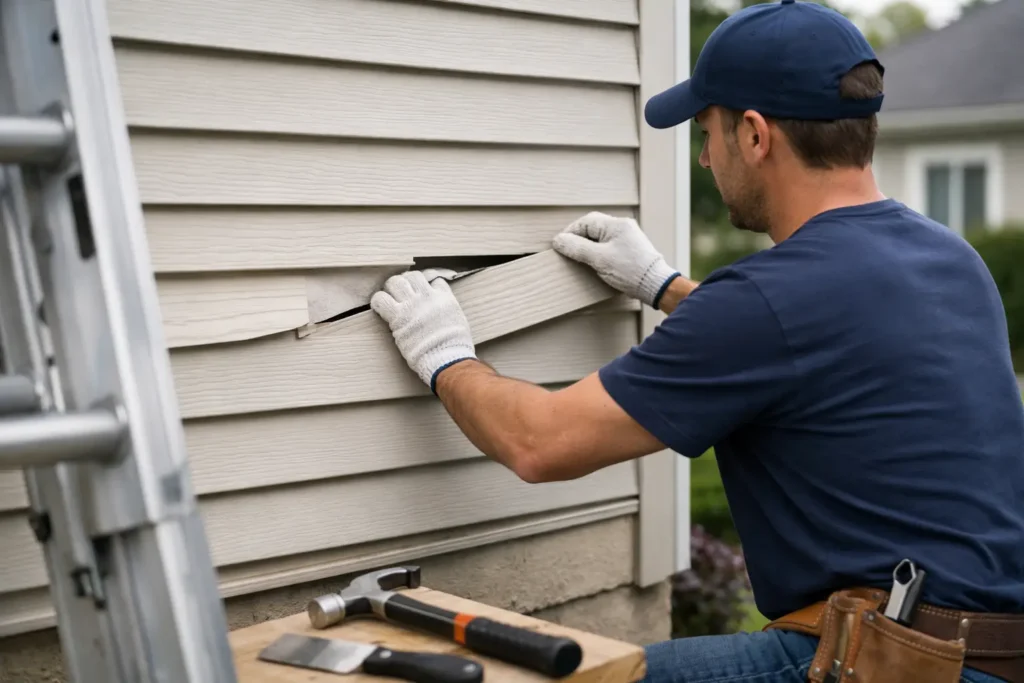
If you are replacing a few cracked vinyl panels after a storm, a permit may not be required. Minor repairs are often treated differently from full replacement. If you are removing all existing siding and installing new vinyl across the whole house, many building departments will want to know whether the underlying wall assembly is changing.
If the work includes replacing rotted sheathing, reframing around windows or doors, adding foam board insulation, or correcting water damage, the odds of a permit requirement go up. The same is true if soffit, fascia, or exterior trim work affects ventilation or structural elements.
There are also edge cases. Some jurisdictions are more focused on whether the project changes the building envelope. Others care more about valuation, square footage, or whether a licensed contractor is pulling the permit. Homes in historic districts or neighborhoods with architectural review can face another layer of approval even when the building department itself has limited requirements.
What local building departments usually want to know
When a permit is required, the application is often less dramatic than homeowners expect. Building departments usually want enough information to confirm the work meets code and matches the home’s needs.
That may include the property address, a description of the work, the siding material being installed, and whether any sheathing or framing repairs are expected. They may also ask for product specifications, manufacturer installation instructions, and details on weather-resistive barriers. If insulation is being added beneath the siding, that can trigger questions about energy code compliance and fastening methods.
Inspectors are not trying to make siding harder than it needs to be. In most cases, they are checking that the finished assembly can manage water, withstand wind exposure, and avoid obvious installation problems. Improper flashing around windows, doors, and roof lines is one of the biggest concerns because that is where moisture trouble often starts.
What inspectors tend to look for on siding jobs
A permit is only one piece of the process. The inspection matters just as much.
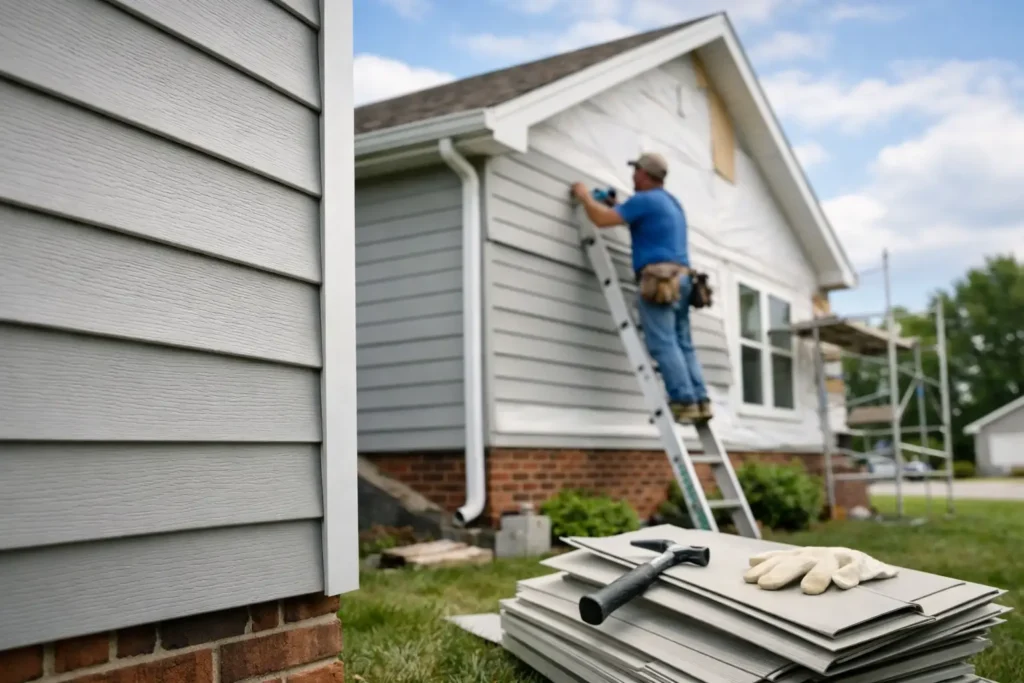
For residential siding work, inspectors often look at the wall condition after tear-off if significant repairs are involved. They may want to see that damaged sheathing has been replaced, that moisture barriers are installed correctly, and that flashing is in place around penetrations and openings. Later, they may check that the siding itself is installed according to manufacturer requirements, with proper clearances, fastening, and trim details.
Vinyl siding is durable and low maintenance, but it still has to move with temperature changes. In Ohio, where winter freezes and summer heat swings can be hard on exterior materials, correct fastening and spacing are not small details. Panels installed too tightly can buckle. Gaps and trim details done poorly can let water work behind the surface.
That is one reason permit oversight can actually help on larger projects. It creates a checkpoint for the parts homeowners cannot easily verify once the job is finished.
When Ohio homeowners run into permit trouble
Most permit headaches come from assumptions. A contractor says permits are unnecessary without checking the local office. A homeowner files for a simple siding replacement but the project ends up including structural repair. Or the work starts first, then someone asks questions after a neighbor notices dumpsters and exposed walls.
In practice, delays often happen for three reasons. The first is incomplete paperwork. The second is scope creep, where hidden damage expands the project beyond what was initially described. The third is timing. Some jurisdictions move quickly, while others may need more time during busy construction seasons.
Weather adds another layer. In northwest Ohio, wind, rain, and freeze-thaw cycles can force siding projects onto a tighter schedule. That makes early permit planning more valuable. If a home is exposed after tear-off and approval is still pending on a revised scope, no one is happy.
Questions worth asking before work begins
Homeowners do not need to know every code section, but they should understand the basics. Ask whether the project is considered repair or replacement. Ask whether any sheathing, framing, or insulation changes are expected. Ask who is responsible for confirming permit requirements and who will be listed on the application if one is needed.
It also helps to ask how inspections will fit into the schedule. Some work can continue between inspection stages, while other steps may need approval before the crew moves forward. The answer depends on the jurisdiction and the condition of the home once existing siding is removed.
Another smart question is whether the home has any zoning, HOA, or historic review issues that sit outside the standard building permit process. These are easy to overlook because they are not always handled by the same office.
Why permit handling matters more on older homes
Older homes deserve special attention because they carry more unknowns. Layers of previous siding, outdated moisture protection, and hidden deterioration can all change the project after demolition starts. In neighborhoods with mature trees and decades of weather exposure, those surprises are common.
This is where experience matters. A contractor who works on siding every day is more likely to spot the warning signs before they become delays. They know where water typically shows up, how old trim details can conceal damage, and when a project is likely to shift from cosmetic replacement into code-relevant repair.
For homeowners, that means fewer last-minute decisions and a better chance of keeping the job moving without cutting corners.
The practical value of doing it right
A permit is not just paperwork for the file. It helps create a record that the work was reviewed and completed under current rules. That can matter later if you sell the home, file an insurance claim tied to exterior damage, or need to prove what was repaired behind the finished siding.
It also supports better installation habits. Good siding work is about more than color and curb appeal. It is about drainage, ventilation, fastening, flashing, and protecting the wall assembly from Ohio moisture and temperature swings.
For homeowners in Allen and Hancock County communities, that is the bigger issue. The permit question is really about whether the house is being protected the right way for the long term.
If you are planning exterior work, think of permits as part of the preparation, not a hurdle. The right answer depends on the home, the scope, and the local office reviewing the job. But getting clarity early keeps the project cleaner, the schedule steadier, and the finished siding more likely to perform the way it should through the next round of Ohio weather.