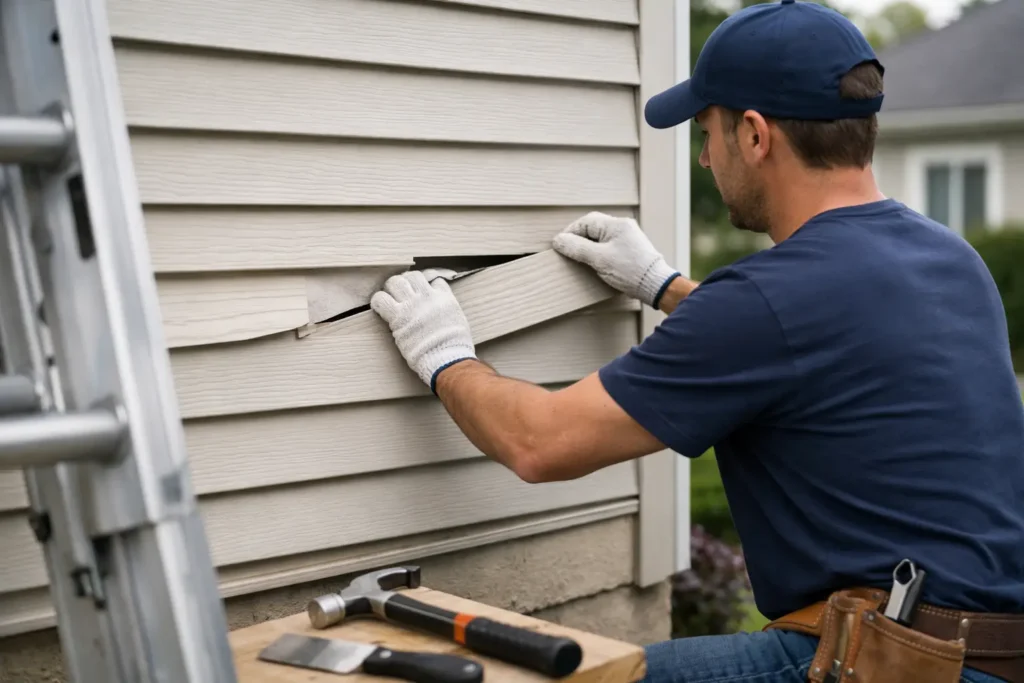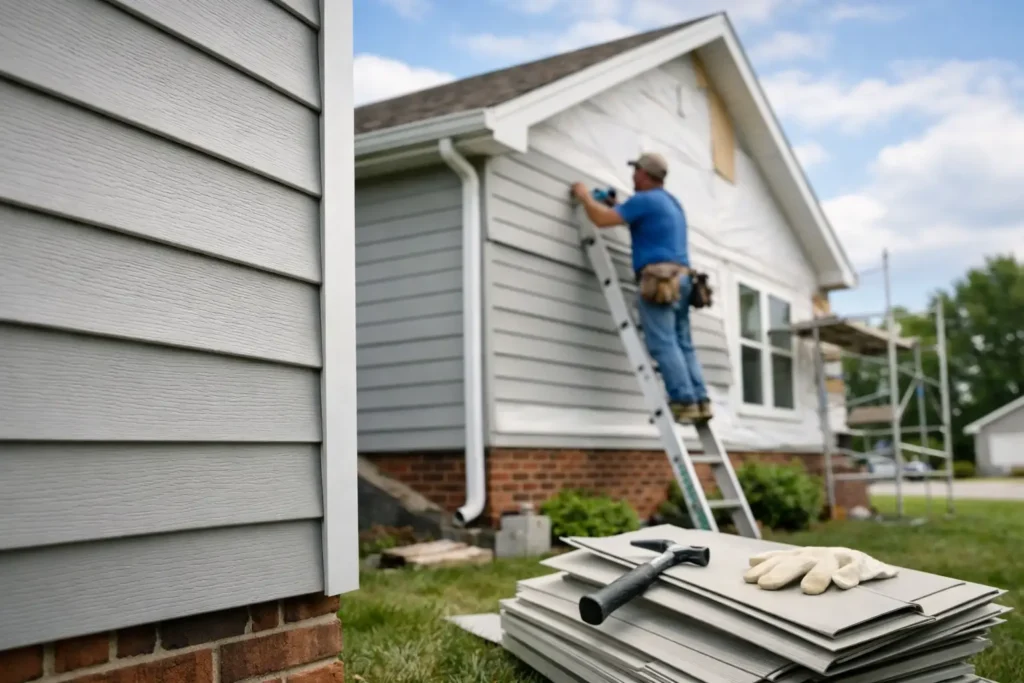
A single cracked panel can turn into a bigger headache when the replacement color is even slightly off. Homeowners usually notice it right away – one section looks newer, brighter, or just different enough to stand out from the rest of the house. If you are wondering how to match existing siding color, the real challenge is not just finding the original shade. It is figuring out what your siding looks like now after years of Ohio sun, rain, temperature swings, and seasonal grime.
Why matching siding color is harder than it sounds
Vinyl siding does not age in a perfectly even way. South-facing walls usually fade faster than shaded sides, and older panels can collect oxidation that changes how the color reads in daylight. A replacement piece that looked correct in a sample book may end up looking too clean or too dark once it is installed next to siding that has been on the home for ten or fifteen years.
That is why exact color matching is part product research and part field judgment. The manufacturer, product line, finish, age of the siding, and even the profile all matter. A color can be close but still look wrong if the texture or panel shape is different.
Start with the siding manufacturer if possible
The best-case scenario is simple. You know the manufacturer, the product line, and the color name. If you have old paperwork from a previous installation, warranty documents, or leftover panels stored in the garage, you already have a strong starting point.
Look for markings on the back of a loose panel or in any materials left from the original project. Some homeowners also find useful clues in inspection reports or builder records. If the home was built in a newer subdivision, there is a chance the original siding brand and color were used on multiple nearby homes.
Even then, there is a catch. Manufacturers change color lines over time. A color name from years ago may be discontinued, renamed, or adjusted slightly in a newer production run. Matching by name alone is helpful, but it is not always enough.
Bring a real sample, not just a photo
Photos can mislead you fast. Lighting, shadows, and phone camera settings can shift color more than most people realize. A real piece of siding, ideally from a less visible area, gives a better comparison than any image on a screen.
If removing a sample is not practical, use a panel from behind a downspout, under a deck edge, or another protected section that has had less sun exposure. That can help identify the original color before weathering changed the visible sides of the house.
How to match existing siding color when the siding has faded
This is where the job gets more technical. If your siding has noticeably faded, matching the original factory color may actually make the repair stand out more. In that case, the goal shifts from finding the original color to finding the closest visual match to the home as it looks today.
A contractor who regularly handles siding repair will usually compare samples directly against multiple elevations of the home, not just one wall. Morning and afternoon light can change the way a panel appears. A color that blends on the north side may look off on the front of the house in full sun.
There are a few ways pros approach this. One is to find the closest current color and place the repair in the least visible location. Another is to move existing panels around – using a close match in a less noticeable spot and relocating older original panels to the area that needs the cleanest blend. This works best on smaller repairs.
Clean the siding before you judge the color
Dirt, mildew, and chalking can make a good match look bad. Before deciding whether a new panel is off-color, the surrounding siding should be cleaned so you are comparing against the true surface condition, not years of buildup.
This does not mean aggressive washing. Vinyl can be damaged if cleaned the wrong way. It means a proper siding-safe cleaning process that removes surface grime without forcing water behind the panels. Once the area is clean and dry, color comparison becomes more reliable.
Profile and texture matter as much as color
Homeowners often focus only on shade, but profile mismatches are just as noticeable. Dutch lap, traditional lap, board and batten, and shake-style panels all catch light differently. Even within lap siding, the reveal height and texture pattern can vary by manufacturer.
A panel with the wrong shape can make the repair obvious from the street, even if the color is close. That is especially true on homes with long horizontal sight lines. Texture matters too. Smooth vinyl and woodgrain vinyl reflect sunlight differently, and that changes how color appears once installed.
When no exact match exists
Sometimes the original product has been discontinued and there is no exact replacement available. That does not automatically mean the whole house needs new siding, but it does mean the repair strategy needs to be realistic.
For isolated storm damage or a small cracked section, a near match may be enough if it is placed carefully. On highly visible front elevations, a better solution may be replacing a whole section so the transition looks intentional instead of patched. It depends on the age of the siding, the amount of fading, and how important a seamless appearance is to you.
Additions are a separate issue. If you are siding a new garage, porch enclosure, or bump-out, trying to force an exact match onto older siding can backfire. In some cases, the cleaner look comes from choosing a complementary color rather than a not-quite-right imitation. That choice works best when trim and accent colors tie the old and new sections together.
Common mistakes homeowners make
The biggest mistake is matching from a photo or memory. The second is buying a panel based only on color name. The third is ignoring age and exposure.
Another common issue is testing one sample in one lighting condition. Siding color should be checked outside, against the house, and ideally at different times of day. What looks right in a garage or showroom can shift once it is on the wall.
Some homeowners also overlook the condition of nearby panels. If adjacent siding is brittle, warped, or loose from wind exposure, replacing only one piece may solve the color issue but not the performance problem. In Ohio, freeze-thaw cycles and strong seasonal storms can turn a cosmetic repair into a moisture issue if damaged sections are left in place.
What a professional color match should include
A proper siding color match is not guesswork. It should involve identifying the panel style, checking for manufacturer information, evaluating fading levels, and comparing real samples against the home itself.
On repair work, the installer should also look at how the siding locks together and whether surrounding panels can be safely removed and reinstalled without cracking. Older vinyl becomes less flexible over time, especially after repeated cold winters. That affects what repair options are practical.
For homes in places like Lima, Findlay, and nearby communities, climate exposure matters more than many people expect. Wind-driven rain, summer UV exposure, and winter temperature swings all influence how siding ages. A contractor familiar with local conditions is more likely to spot whether the issue is only a color mismatch or part of a bigger wear pattern on that elevation.
When repair makes sense and when replacement is smarter
If the siding is in otherwise good condition and the damage is limited, a targeted repair with a close color match can preserve the look of the home without disrupting everything else. This is often the best route for small impact damage, one missing panel, or a localized repair after wind events.
If the home has widespread fading, repeated cracks, loose panels, or water-related concerns around windows and doors, chasing a perfect color match panel by panel usually stops being efficient. At that point, uniform replacement on one side or across the full exterior may produce a better long-term result.
There is no one-size-fits-all answer here. The right move depends on how visible the damaged area is, how old the siding is, and whether the existing material is still performing the way it should.
A practical way to think about color matching
If you want to know how to match existing siding color successfully, think beyond the sample chip. The real goal is visual consistency on the house you have today, not the house as it looked when the siding was first installed. That means checking the manufacturer when possible, comparing real samples outdoors, accounting for fading, and making sure profile and texture line up with the original material.
A good match should disappear into the home, not call attention to the repair. And when an exact match is no longer realistic, the smartest solution is the one that keeps the exterior looking intentional, protected, and well maintained for the years ahead.