A lot of homeowners ask the same question right after a storm, during a repainting headache, or when faded panels start standing out from the street: how long does vinyl siding last? The honest answer is that vinyl siding can last 20 to 40 years, and in some cases longer, but that range depends heavily on material quality, installation, weather exposure, and how well the home has been maintained over time.
That wide lifespan range is exactly why this question matters. Vinyl siding is known for being durable and low maintenance, but it is not a forever product. In Ohio, where homes deal with summer heat, winter freeze-thaw cycles, wind, hail, and heavy rain, siding performance is shaped by more than the manufacturer’s label.
How long does vinyl siding last in real-world conditions?
On a well-built home with proper installation, quality vinyl siding often performs reliably for three decades or more. Lower-grade material, poor fastening, bad moisture management, or repeated storm exposure can shorten that timeline. So while 20 to 40 years is the standard answer, the real question is whether the siding was set up to handle local conditions from day one.
In neighborhoods with mature trees, more shade, and more moisture exposure, siding can age differently than it does on open lots with direct sun and wind. South- and west-facing walls usually take the most punishment from UV exposure and temperature swings. If one side of the house looks older than the other, that is usually not your imagination.
What affects vinyl siding lifespan the most?
Material thickness plays a bigger role than many homeowners realize. Thicker panels generally resist cracking, warping, and impact damage better than thinner economy-grade products. Insulated vinyl siding can also add rigidity, which helps the panels hold their shape and support better energy performance.
Installation quality is just as important. Vinyl siding needs room to expand and contract as temperatures change. If it is nailed too tightly, hung unevenly, or installed without proper flashing and trim details, the problems may not show up right away. A few seasons later, you may start seeing buckling, gaps, loose sections, or moisture trouble around windows and corners.
Ventilation and water control matter too. Vinyl itself does not absorb water, but the wall system behind it can still suffer if moisture gets trapped. House wrap, flashing, soffit airflow, and correct overlap details all help protect the structure. When those parts are handled correctly, siding tends to last longer and the home stays healthier underneath.
Ohio weather can shorten or stretch the life of siding
In northern Ohio and west-central Ohio, siding has to handle a little bit of everything. Wind-driven rain can work into weak seams. Freeze-thaw cycles can stress already brittle panels. Hail can crack older siding, especially if it has become less flexible with age. Strong sun can slowly fade darker colors and dry out lower-quality vinyl.
That does not mean vinyl is a poor choice for this climate. It actually performs well here when the right product is used and the installation is done correctly. The key is understanding that weather exposure adds wear in layers. A house in Lima or Findlay may not show one dramatic failure, but years of seasonal stress can gradually reduce the siding’s appearance and protective performance.
If your home has been through several strong storms, the siding may age faster than the calendar suggests. A 22-year-old exterior that has taken hail, wind damage, and repeated repairs may be closer to end-of-life than a 30-year-old system that has been sheltered and well maintained.
Signs your vinyl siding is reaching the end of its life
Age alone is not the best signal. Condition tells a more complete story. Some homes have siding that is 25 years old and still doing its job. Others start having problems much sooner because of impact damage, heat distortion, or installation issues.
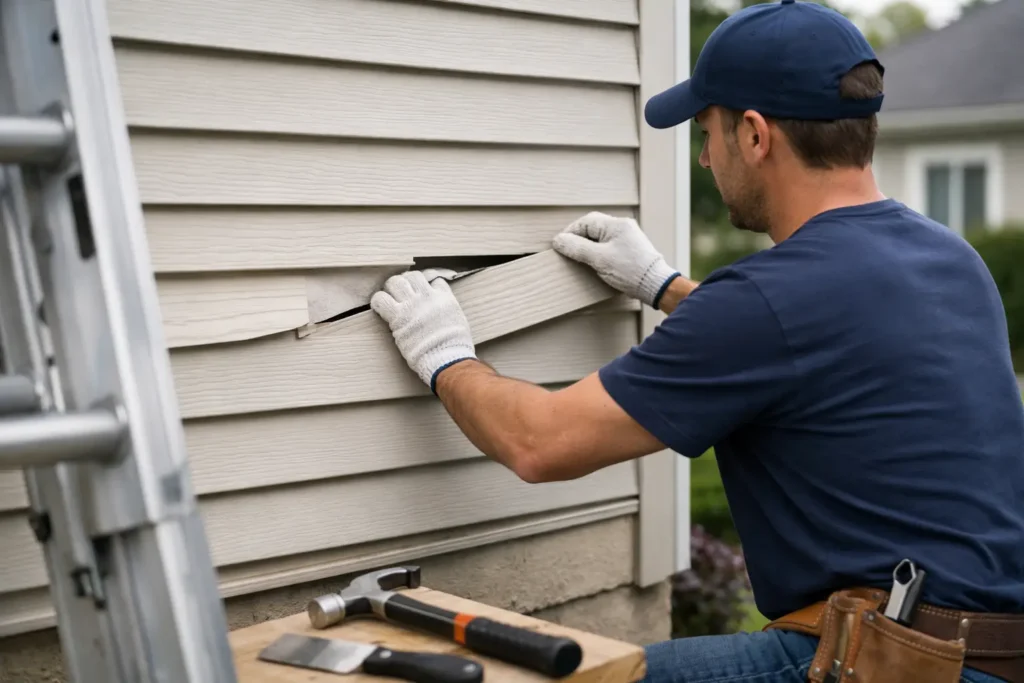
One of the most common warning signs is cracking. Small cracks can spread, especially after cold weather. Once panels lose flexibility, they become more vulnerable with each season. Warping or buckling is another red flag. That often points to heat exposure, fastening issues, or movement in the wall system.
Fading is not just cosmetic either. A noticeable, chalky, uneven appearance can mean the siding has taken years of UV wear. If the color no longer looks consistent and replacement panels are difficult to match, the home may be moving from simple repair territory into replacement territory.
You should also pay attention to loose panels, storm-related holes, and recurring moisture signs around seams or trim. Interior clues matter too. If certain rooms feel draftier, or if you notice staining, mildew, or softness near exterior walls, the siding system may not be protecting the home as well as it should.
When repair makes sense and when replacement is smarter
Not every damaged panel means the whole house needs new siding. If the damage is limited, the surrounding material is still solid, and a close color match is possible, targeted repair can extend the life of your exterior. This is especially true when the issue came from one storm event or a small isolated crack.
Replacement becomes the better move when damage is widespread, the panels are brittle across multiple elevations, or moisture protection has been compromised behind the siding. The same is true when repeated repairs start chasing the same problem in different spots. At that point, the issue is usually not one bad section. It is the aging system as a whole.
Older homes with several generations of patchwork repair often run into another challenge: discontinued profiles and faded colors. Even if a replacement panel technically fits, it can still stand out badly. For homeowners who care about curb appeal, that matters.
Can vinyl siding last 40 years?
Yes, but 40 years is usually the high end, not the baseline. Reaching that kind of lifespan typically requires better-quality siding, proper installation, decent ventilation behind the exterior, and a home that has not taken repeated severe storm damage.
It also helps when homeowners catch small issues early. A loose corner, damaged trim channel, or minor crack seems easy to ignore, but small failures are how water and wind start working deeper into the system. The longer those issues sit, the harder they are on surrounding materials.
If your siding is pushing past 30 years, a close inspection is more useful than guessing from appearance alone. Some homes still have enough life left for repairs. Others look acceptable from the driveway but have hidden trouble around windows, lower wall edges, or under the eaves.
How to help vinyl siding last longer
Vinyl siding does not need constant upkeep, but it does respond well to a little attention. An occasional cleaning removes dirt, algae, and residue that can make wear harder to spot. After high winds or hail, it is worth checking for loose panels, cracks, and lifted edges. Trees should be trimmed back where branches rub the house during storms.
Gutters and downspouts should also stay in good shape. Overflowing water can run behind siding edges or keep lower walls too wet for too long. That is not always the siding’s fault, but it can still shorten the life of the whole exterior system.
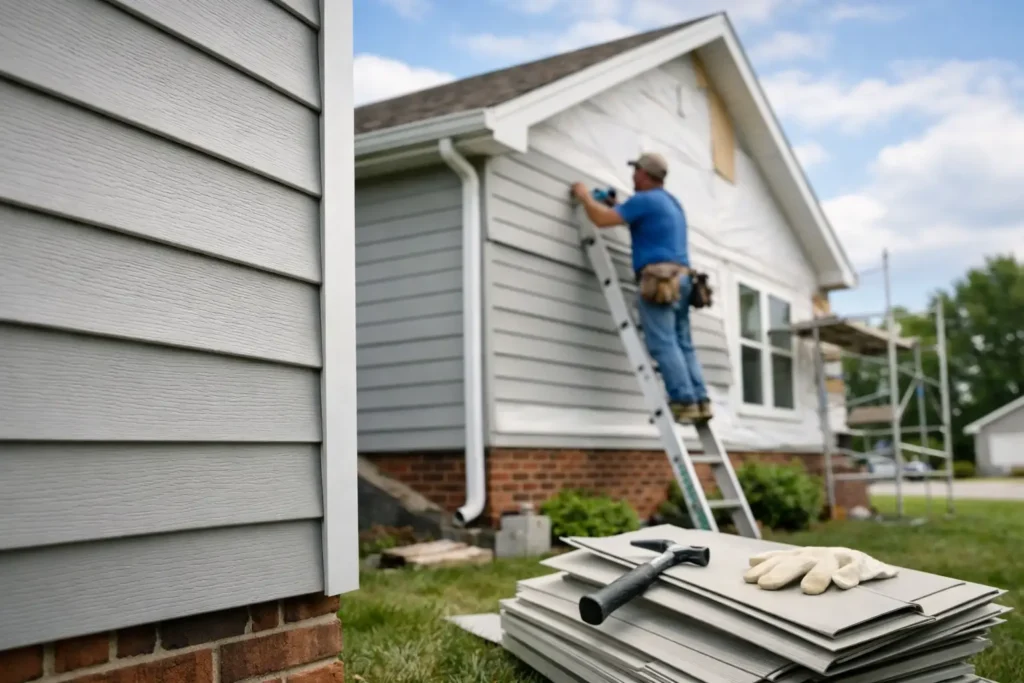
The biggest protector of lifespan is still professional installation. Proper spacing, fastening, flashing, and trim work give vinyl siding the flexibility it needs to move through Ohio’s temperature swings without failing early.
The lifespan answer depends on more than the product label
When homeowners ask how long does vinyl siding last, they are usually asking something more practical: do I still have time, or is this becoming a bigger home protection issue? That is the right question. Siding is not just there to look clean from the curb. It shields the structure, supports energy efficiency, and helps keep moisture where it belongs.
For most homes, vinyl siding offers a long service life and solid value, especially when it is matched to the climate and installed with care. But no siding lasts on reputation alone. It lasts because the materials are good, the details are right, and the warning signs are handled before they become bigger problems.
If your siding is older, unevenly faded, cracked in more than one area, or showing signs of storm wear, the best next step is to look at condition rather than just age. A house will usually tell you when the siding still has years left and when it is asking for more attention than it should.