
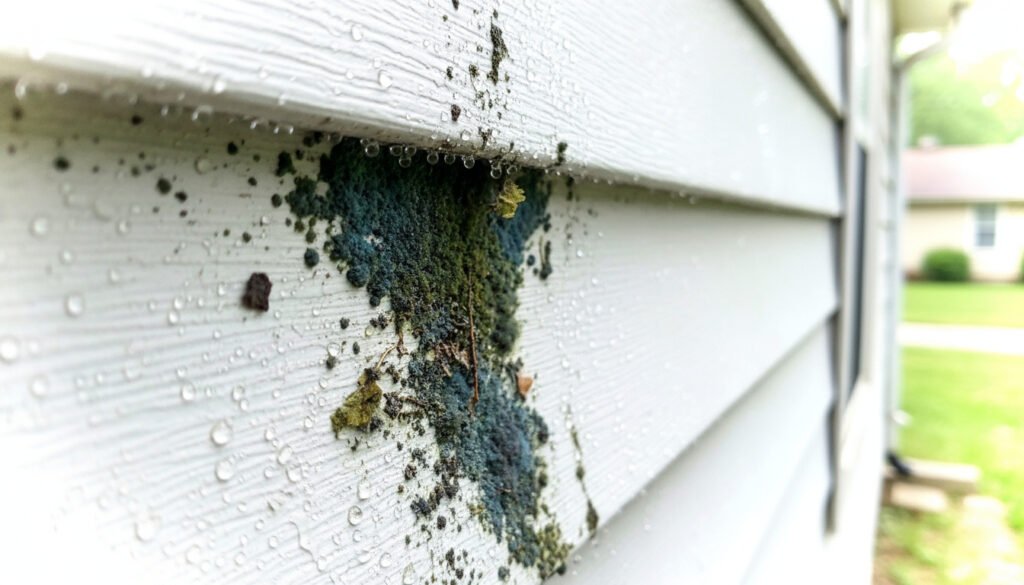
Lima, Ohio homeowners face unique challenges when it comes to protecting their vinyl siding from mildew and mold growth. The region’s humid continental climate, combined with seasonal temperature fluctuations and moisture patterns, creates ideal conditions for these unwelcome organisms to thrive on exterior surfaces.
Understanding where mildew and mold are most likely to develop on your home’s siding can help you take proactive measures to prevent costly damage and maintain your property’s curb appeal. Early identification and proper maintenance are crucial for preserving both the aesthetic value and structural integrity of your vinyl siding investment.
Understanding Mildew and Mold Growth on Vinyl Siding
Mildew and mold are fungi that flourish in warm, moist environments with limited air circulation. While often used interchangeably, these organisms have distinct characteristics that affect how they impact your home’s exterior.
Mildew typically appears as a thin, powdery coating that ranges from white to gray in color. It grows on the surface of materials and is generally easier to remove than mold. Mold, conversely, can penetrate deeper into surfaces and appears in various colors including black, green, brown, or yellow. Both organisms can cause discoloration, deterioration, and unpleasant odors if left untreated.
Vinyl siding provides an excellent surface for these fungi when conditions are right. The material’s smooth surface can trap moisture, dirt, and organic debris, creating the perfect breeding ground for spores to take hold and multiply.
Climate Factors in Lima, Ohio
Lima’s climate presents specific challenges for homeowners dealing with siding maintenance. The area experiences high humidity levels during summer months, frequent rainfall, and temperature variations that create condensation cycles. These conditions, combined with Lima’s tree coverage and vegetation, contribute to moisture retention around homes.
The region’s seasonal patterns mean that north-facing walls often remain damp longer, while areas with poor drainage may experience prolonged moisture exposure. Understanding these local factors helps homeowners identify which areas of their property require extra attention and maintenance.
Primary Vulnerable Areas on Home Exteriors
North-Facing Walls and Shaded Sections
North-facing walls receive minimal direct sunlight throughout the day, making them prime candidates for mildew and mold development. These surfaces remain cool and damp longer than their sun-exposed counterparts, creating ideal conditions for fungal growth.
Shaded areas created by large trees, neighboring structures, or architectural features like overhangs and porches also present increased risk. Limited air circulation in these zones compounds the problem by preventing moisture from evaporating quickly.
Homeowners should pay particular attention to siding panels in these areas, looking for early signs of discoloration or unusual staining. Regular inspection of these vulnerable zones allows for early intervention before problems become extensive.
Foundation and Ground-Level Siding
The lower portions of vinyl siding, particularly areas near the foundation, face constant exposure to ground moisture, splash-back from rain, and reduced air circulation. Landscaping elements like mulch beds, dense shrubs, and improper grading can trap moisture against the siding surface.
Sprinkler systems that spray water directly onto siding create additional moisture problems. Even properly functioning gutters can contribute to ground-level moisture issues if drainage is inadequate or if splash blocks are improperly positioned.
Basement window wells, foundation plantings, and areas where siding meets concrete surfaces require special attention. These transition zones often collect debris and moisture, making them hotspots for mildew and mold development.
Gutter and Downspout Areas
Faulty gutters and downspouts create some of the most problematic conditions for siding health. Clogged gutters cause water to overflow and run directly down siding surfaces, while damaged or improperly sealed joints allow water to seep behind the siding material.
Areas directly below gutter joints, corners, and downspout connections experience frequent water exposure. Even minor leaks can create persistent moisture problems that lead to significant mildew and mold growth over time.
The siding directly beneath these problem areas often shows the first signs of fungal growth, appearing as dark streaks, stains, or discoloration. Regular gutter maintenance and prompt repair of any damage are essential for protecting adjacent siding surfaces.
Window and Door Trim Vulnerabilities
Caulking and Seal Failures
Window and door trim areas present unique challenges due to the intersection of different materials and the potential for seal failures. Cracked, missing, or deteriorated caulking allows moisture to penetrate behind siding panels, creating hidden moisture problems that can lead to extensive mold growth.
The horizontal surfaces above windows and doors, including decorative trim elements, collect water and debris. Without proper drainage and ventilation, these areas become breeding grounds for fungi that can spread to adjacent siding surfaces.
Weather stripping failures around windows and doors can also contribute to moisture problems by allowing humid air to penetrate building envelope systems and condense on interior surfaces of siding materials.
Architectural Details and Design Elements
Decorative trim, shutters, and architectural details create additional surfaces where moisture can accumulate. Complex siding patterns, corner treatments, and design elements that create pockets or recesses are particularly vulnerable to mildew and mold problems.
These features often trap leaves, dirt, and organic debris, which decompose and provide nutrients for fungal growth. The irregular surfaces created by architectural details can also impede proper cleaning and maintenance efforts.
Deck and Porch Connections
Areas where decks, porches, and other structural elements connect to the main house present unique challenges for siding maintenance. These connection points often experience moisture infiltration, reduced air circulation, and accumulated debris.
The siding behind deck railings, under roof overhangs, and in corners created by architectural features requires special attention. These areas are often difficult to access for regular cleaning and inspection, allowing problems to develop unnoticed.
Improper flashing, inadequate drainage, and poor design details at these connection points can create persistent moisture problems that lead to extensive mildew and mold growth on surrounding siding surfaces.
Prevention and Early Detection Strategies
Regular Inspection Protocols
Establishing a regular inspection schedule helps identify potential problems before they become extensive. Homeowners should conduct thorough visual inspections of their siding at least twice yearly, typically in spring and fall.
During inspections, look for discoloration, staining, unusual odors, or any changes in siding appearance. Pay special attention to the vulnerable areas identified above, using binoculars if necessary to inspect higher elevations safely.
Document problem areas with photographs and notes to track changes over time. Early detection allows for prompt treatment and prevents minor issues from developing into major problems requiring expensive remediation.
Maintenance Best Practices
Proper maintenance significantly reduces the likelihood of mildew and mold problems. Regular cleaning removes organic debris and surface contaminants that provide nutrients for fungal growth.
Ensure adequate drainage around your home’s foundation by maintaining proper grading and keeping gutters and downspouts in good repair. Trim vegetation to allow adequate air circulation around siding surfaces, particularly in problem areas.
Address minor issues promptly, including caulking repairs, gutter maintenance, and vegetation management. These proactive measures prevent small problems from developing into extensive moisture and mold issues.
Professional Assessment and Treatment
When to Call Experts
While homeowners can handle routine maintenance and minor cleaning, extensive mildew and mold problems require professional intervention. Signs that warrant expert assessment include large affected areas, recurring problems despite treatment efforts, and situations involving structural damage or health concerns.
Professional siding contractors have specialized equipment, cleaning solutions, and expertise to address complex mold and mildew problems safely and effectively. They can also identify underlying moisture issues that may not be apparent to homeowners.
For Lima area residents dealing with persistent siding mildew and mold problems, Ohio Vinyl Siding Guru provides comprehensive assessment and treatment services. Our experienced team understands the unique challenges presented by local climate conditions and can develop effective solutions for your specific situation.
Treatment and Remediation Options
Professional treatment typically involves thorough cleaning with specialized solutions, identification and correction of underlying moisture sources, and preventive measures to reduce future problems. In severe cases, partial siding replacement may be necessary.
Advanced treatments may include pressure washing with appropriate solutions, application of mold inhibitors, and improvements to drainage and ventilation systems. Professional contractors can also identify design or installation issues that contribute to ongoing problems.
Protecting Your Investment
Vinyl siding represents a significant investment in your home’s appearance and value. Protecting that investment requires ongoing attention to maintenance and prompt addressing of mildew and mold issues when they arise.
Regular professional inspections can identify potential problems before they become costly repairs. Working with experienced local contractors ensures that treatments are appropriate for Lima’s specific climate conditions and building practices.
For homeowners in the Lima area experiencing persistent siding mildew and mold problems, Ohio Vinyl Siding Guru offers expert assessment, treatment, and prevention services. Contact us at (567) 471-6816 to schedule a comprehensive evaluation of your home’s siding condition and develop an effective maintenance plan tailored to your specific needs.
Taking proactive steps to identify and address vulnerable areas around your Lima home will help maintain your vinyl siding’s appearance, extend its lifespan, and protect your property investment for years to come.