Storm Season in Lima: What to Inspect on Your Vinyl Siding After Wind or Hail
Lima, Ohio experiences its fair share of severe weather, with storm season bringing powerful winds and damaging hail that can wreak havoc on your home’s vinyl siding. After a storm passes through, conducting a thorough inspection of your vinyl siding is crucial to identify potential damage early and prevent costly repairs down the road.
Lima’s location in northwestern Ohio puts it squarely in the path of severe thunderstorms, particularly during spring and summer months. The city averages 15-20 severe weather events annually, with wind speeds often exceeding 60 mph and hail ranging from pea-sized to golf ball-sized stones. Understanding what to look for after these weather events can save homeowners thousands of dollars in structural damage and help maintain their property’s value.
Understanding Storm Damage to Vinyl Siding
Vinyl siding damage from storms isn’t always immediately visible from ground level. Wind and hail can cause various types of damage, from obvious cracks and holes to subtle issues that may not manifest problems until months later. The key is knowing what signs indicate potential damage and understanding when professional intervention is necessary.
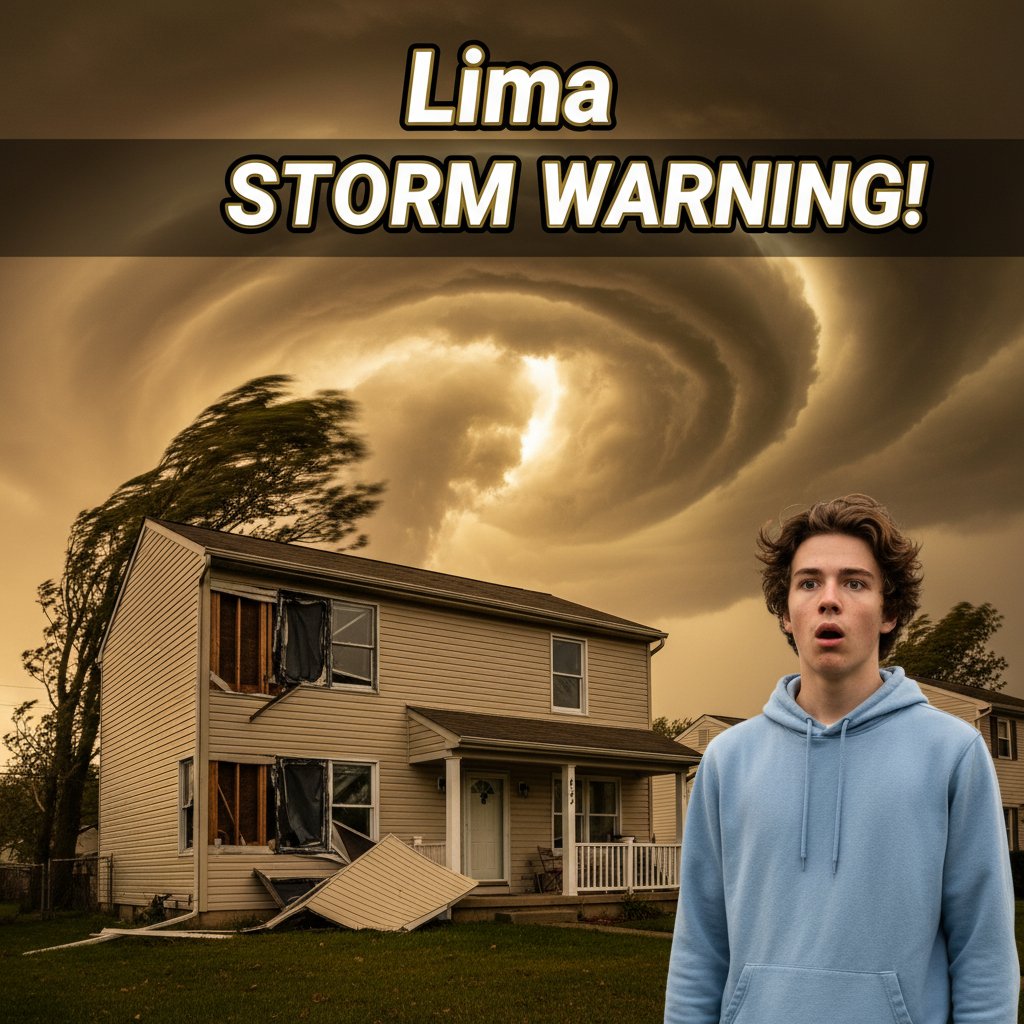
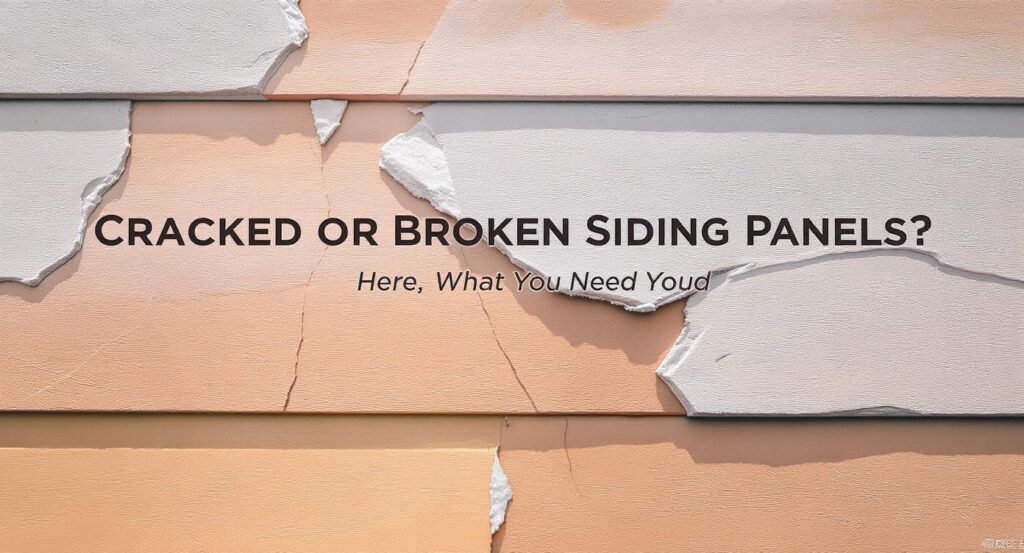
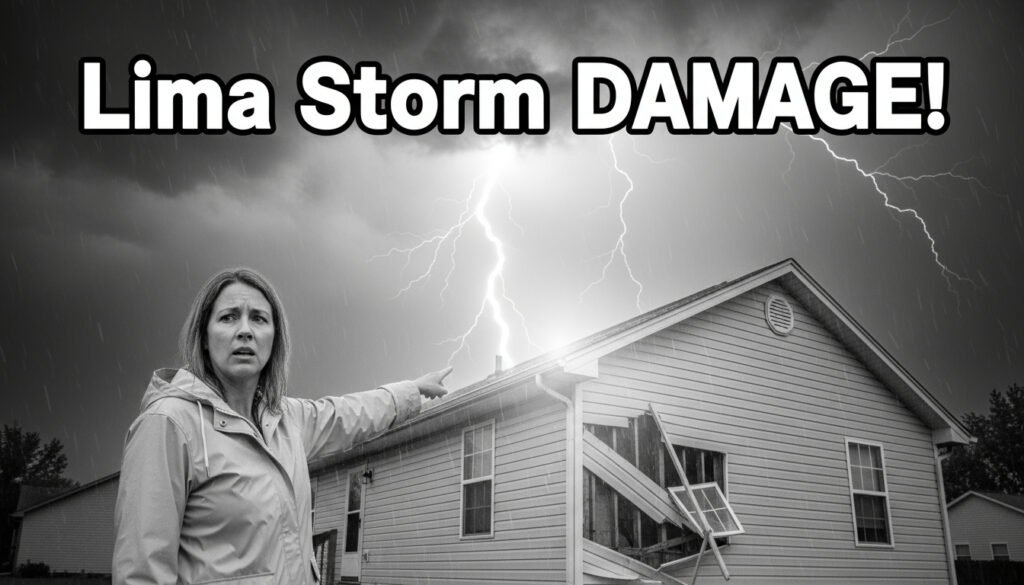
Wind damage typically manifests as loose, warped, or completely missing siding panels. High winds can lift siding panels from their mounting tracks, creating gaps that allow moisture infiltration. Hail damage, on the other hand, often appears as dents, cracks, or puncture holes that compromise the siding’s protective barrier.
Immediate Post-Storm Safety Considerations
Before beginning your inspection, prioritize safety above all else. Wait until the storm has completely passed and conditions are safe for outdoor inspection. Avoid inspecting your siding during lightning, high winds, or when debris is still falling.
Check for downed power lines near your property and stay at least 35 feet away from any electrical hazards. If you smell gas or suspect utility damage, contact emergency services immediately. Only proceed with siding inspection once you’ve confirmed the area is safe and all immediate hazards have been addressed.
Ground-Level Visual Inspection
Start your inspection from ground level, walking the perimeter of your home with a notepad and camera. Document any visible damage with photos, including close-ups and wider shots that show the damage in context. This documentation will prove invaluable for insurance claims and contractor consultations.
Look for obvious signs of damage including missing siding panels, large cracks or holes, and pieces of siding scattered in your yard. Pay particular attention to areas where siding meets other materials like windows, doors, and trim. These transition points are often vulnerable to wind damage due to their exposed edges and mounting methods.
Check for color variations that might indicate impact damage. Hail impacts often leave white or lighter-colored marks where the protective coating has been compromised. These seemingly minor cosmetic issues can lead to significant problems if left untreated, as they expose the underlying material to UV damage and moisture infiltration.
Detailed Panel-by-Panel Assessment
Once you’ve completed your ground-level inspection, conduct a more detailed examination of individual siding panels. Use binoculars to safely inspect higher areas without climbing ladders immediately after a storm.
Examine each panel for warping, buckling, or separation from mounting tracks. Properly installed vinyl siding should lie flat against the house with consistent spacing between panels. Any panels that appear pushed out, pulled in, or sitting at odd angles likely sustained wind damage and require professional evaluation.
Look for stress cracks around mounting holes and panel edges. These hairline fractures may seem minor but can expand over time, especially during temperature fluctuations common in Ohio’s climate. Small cracks can allow moisture infiltration, potentially leading to mold growth and structural damage behind the siding.
Identifying Hail Damage Patterns
Hail damage to vinyl siding follows predictable patterns based on wind direction and storm intensity. Typically, the side of your home facing the storm’s approach will show the most severe damage, while protected areas may show little to no impact.
Common hail damage indicators include circular dents or impressions in the siding surface, cracked or chipped areas where hail stones struck at high velocity, and puncture holes from larger hailstones. Even small dents can compromise the siding’s integrity, creating weak points that may fail during future weather events.
Inspect your gutters, downspouts, and other metal surfaces for similar damage patterns. Hail damage typically affects all exposed surfaces similarly, so damage to metal components often correlates with siding damage and can help confirm the extent of the storm’s impact.
Checking Mounting Systems and Fasteners
Storm damage often affects the mounting systems that secure vinyl siding to your home’s structure. High winds can loosen screws, pull nails, or damage the mounting tracks that hold siding panels in place.
Look for gaps between siding panels and the house structure, which may indicate loosened fasteners or damaged mounting systems. Listen for rattling or flapping sounds when wind blows against the siding, as these noises often signal loose panels that require immediate attention.
Examine the condition of trim pieces, corner posts, and J-channels, as these components are particularly vulnerable to wind damage. Damaged trim pieces not only affect your home’s appearance but can also compromise the weather seal around windows, doors, and other openings.
Assessing Moisture Infiltration Risks
One of the most critical aspects of post-storm siding inspection is identifying potential moisture infiltration points. Even minor damage can allow water to penetrate behind the siding, leading to serious structural problems including mold growth, wood rot, and insulation damage.
Check for gaps, cracks, or holes that could allow water infiltration, paying special attention to areas around windows, doors, and other penetrations. Look for signs of water staining or discoloration on interior walls, which may indicate that storm damage has already allowed moisture infiltration.
Inspect the caulking around windows, doors, and other openings for cracks or separation. Storm winds can stress these seals, creating pathways for water infiltration that may not become apparent until the next heavy rainfall.
When to Call Professional Inspectors
While homeowners can identify obvious storm damage, professional inspection is recommended for comprehensive damage assessment. Licensed siding contractors have the expertise and equipment to safely evaluate hard-to-reach areas and identify subtle damage that untrained eyes might miss.
Consider professional inspection if you notice any damage during your initial assessment, if your neighbors experienced significant storm damage, or if your insurance company recommends professional evaluation. Professional inspectors can provide detailed damage reports necessary for insurance claims and help prioritize repairs based on urgency and cost.
Professional inspectors also understand local building codes and can ensure that any necessary repairs meet current standards. This expertise is particularly valuable in Lima, where building requirements may have been updated since your siding was originally installed.
Documentation and Insurance Considerations
Proper documentation is crucial for successful insurance claims following storm damage. Take comprehensive photographs of all damage, including wide shots that show the overall context and close-ups that clearly display specific damage points.
Create a detailed written inventory of damaged areas, including descriptions of damage type, size, and location. Note the date and time of your inspection, weather conditions during the storm, and any immediate steps you’ve taken to prevent further damage.
Contact your insurance company promptly to report potential storm damage, even if you’re unsure about the extent of the damage. Many insurance policies have strict timeframes for reporting storm damage, and delayed reporting could affect your claim’s approval.
Preventive Maintenance and Future Storm Preparation
Use your post-storm inspection as an opportunity to identify areas where preventive maintenance could reduce future storm damage risk. Regular maintenance of vinyl siding includes cleaning, checking fasteners, and addressing minor issues before they become major problems.
Consider upgrades that could improve your siding’s storm resistance, such as enhanced fastening systems or impact-resistant materials. While these improvements require upfront investment, they can significantly reduce storm damage risk and potentially lower insurance premiums.
Develop a post-storm inspection routine that you can follow after future weather events. Regular inspection and prompt attention to minor issues will help maintain your siding’s protective capabilities and extend its lifespan.
When storm damage threatens your Lima home’s vinyl siding, trust the expertise of Ohio Vinyl Siding Guru. Our experienced professionals provide comprehensive storm damage assessments, insurance claim support, and quality repair services that restore your home’s protection and curb appeal. With years of experience serving Lima homeowners, we understand the unique challenges of Ohio’s storm season and provide reliable solutions that stand up to future weather events. Contact Ohio Vinyl Siding Guru at (567) 471-6816 for professional vinyl siding inspection and repair services that keep your home protected year-round.